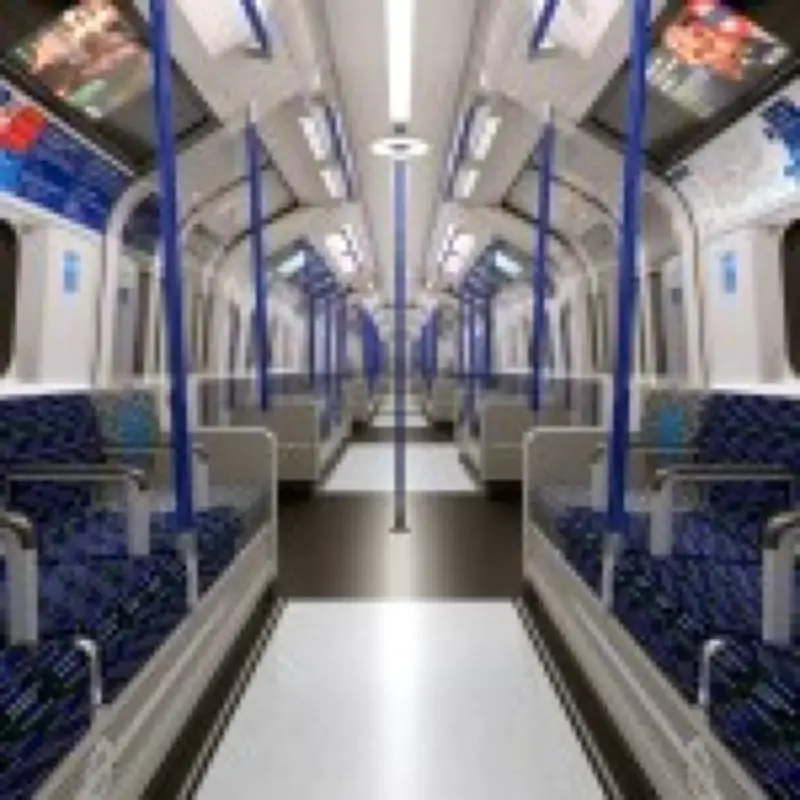
The Piccadilly Line, which celebrates its 120th anniversary in December, is set to become the first deep-level Tube line to be fitted with air conditioning as part of a £3.4 billion modernisation investment from Transport for London. The upgrade includes a new fleet of 94 trains scheduled for rollout between December 2026 and June 2027, offering temperature-controlled carriages for the first time in the line's history.
Passenger comfort and environmental trade-offs
Track design engineer Jack Parry told Metro that 'passenger comfort is one of the main priorities for the railway,' adding that the 'track is designed to give the passenger the smoothest and most comfortable experience possible.' While most modern trains already have air conditioning, implementing it on the deep-level Tube is a significant step. Parry noted that the railway is 'extremely conscious of the environmental impact' and highlighted design elements like recycled sleepers and battery-powered tools that lower carbon emissions. However, he acknowledged that adding air conditioning increases energy consumption and direct emissions, but deemed it worthwhile for passenger comfort and to encourage Tube use over cars.
Expert support for the upgrade
Paul Herriotts, Professor of Transport Design at Coventry University, agreed with the trade-off. He told Metro that 'sustainability is not just about carbon emissions' and that wider factors like passenger wellbeing and accessibility matter. He said air conditioning can reduce heat stress, improve travel for older passengers, benefit those with medical conditions, and make travel safer during heatwaves. 'As we experience more frequent heatwaves in the UK, it becomes of increasing importance to ensure that passenger safety and comfort is considered,' he added, calling the introduction a 'good trade-off with clear passenger benefits.'

New features and capacity boost
The new trains will also feature walk-through carriages, wider double doors, improved step-free access, on-board CCTV, and enhanced digital displays. TfL stated that once the 94 new trains replace the 86 existing ones, the number of trains through central London will increase from 24 to 27 per hour — every 135 seconds — at peak times, boosting capacity by 10% overall and up to 23% during peak periods. This is expected to make the service faster, more reliable, and more frequent, further encouraging a shift from cars to public transport.
Delays and testing
The trains arrived in the UK for testing in late 2024 but faced delays due to technical issues identified on a prototype. Mayor Sadiq Khan told the London Assembly in July 2025 that the 'process is taking longer than expected due to challenges with the design, build and commissioning.' Service entry was pushed to late 2026. In August 2025, Khan posted a video on X of a prototype testing, captioning it: 'Exciting changes are coming to the Piccadilly line. New state-of-the-art-trains are now being tested by TfL.'
Sustainability goals
The upgrade supports TfL's wider sustainability plan. The new trains are significantly lighter and consume 20% less energy than the 1970s stock. TfL is also building a 'digital twin' of the line to track energy usage, capture carbon in tunnels, and identify emissions hotspots, contributing to the Mayor's goal of making London Net Zero Carbon by 2030. The Piccadilly Line handles roughly 158 million to over 200 million passenger trips annually, accounting for 10% of all Tube journeys, making this energy-efficient upgrade a significant step toward decarbonisation.