Oil Prices Rebound Above $100 as Market Assesses Cost of Iranian Attacks
Oil prices have surged back above the $100 per barrel threshold following a series of targeted attacks by Iran on critical energy infrastructure across the Middle East. Market analysts are expressing growing concern that these assaults could inflict long-term damage on the industry, exacerbating supply disruptions and fueling further price increases as the conflict continues to escalate.
Immediate Impact on Global Oil Markets
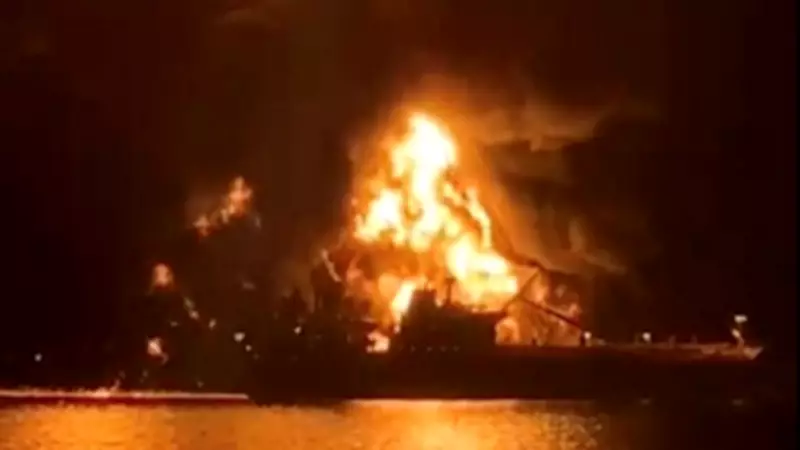
The price of Brent crude oil briefly reached $101 overnight after reports confirmed significant damage to key energy facilities in Gulf nations, both on land and at sea. A particularly notable incident involved an Iranian attack on two fuel tankers in Iraqi waters near Basra, where explosive-laden boats were deployed. In response, Iraq suspended operations at all its oil ports, while additional attacks were reported in Dubai and Bahrain on Thursday.
Market experts suggest that Iran's deliberate targeting of energy infrastructure poses a severe risk to long-term production capacity. This strategy complicates efforts to restore normal oil and gas flows once hostilities eventually cease, potentially prolonging supply shortages and keeping prices elevated.

International Response and Strategic Reserves
Earlier in the week, oil prices had retreated from war-driven peaks of $118 after the International Energy Agency (IEA) announced plans to coordinate a record release of strategic oil reserves. This move aimed to partially offset market losses caused by the effective closure of the Strait of Hormuz, a critical shipping route that normally handles approximately one-fifth of global oil and natural gas deliveries.
However, confirmation on Wednesday that the stored oil—to be released by more than 30 nations—would be introduced gradually failed to push prices lower. This was largely due to the intensification of attacks, which overshadowed the potential relief from reserve releases. In its monthly market report released Thursday, the IEA issued a stark warning, stating, "The war in the Middle East is creating the largest supply disruption in the history of the global oil market." The agency estimated an eight-million-barrel-per-day hit to global supply this month, with 10% of world production lost due to shutdowns.
Broader Economic Implications
By Thursday afternoon, Brent crude was trading just below $100, threatening further upward pressure on fuel prices at UK forecourts. Since the conflict began, diesel costs have jumped by an average of 9%. Meanwhile, UK wholesale gas prices rose more than 4% on the day, marking a 74% increase for the month.
While current price shifts primarily affect new fixed-rate energy deals for households—since the April-June energy price cap was set before the conflict—the broader economic impact could be significant. Rising oil and gas prices risk triggering a renewed spike in inflation as increased costs cascade through supply chains, affecting everything from manufactured goods to services. This scenario could prompt the Bank of England to impose higher borrowing costs to prevent sustained price growth from becoming entrenched in the economy.
Long-Term Supply Concerns and Market Skepticism
Analysts have consistently emphasized that the duration of oil and gas flow disruptions will be crucial in determining the price outlook. The current challenge, they note, is that recovery will take longer due to the extensive damage to infrastructure. Additionally, global stocks are insufficient for a second large-scale bailout similar to the 400-million-barrel release recently coordinated.
Iran's ongoing attacks contradict claims by former US President Donald Trump that US military objectives are nearly complete and the war is almost over. Neil Wilson, Saxo's UK investor strategist, commented on the situation, stating, "The problem, as it were, for the IEA is that it's going to be hard to do much more... but it's okay because Trump said 'we've won.' Markets are going to increasingly discount remarks like these the longer the shooting continues."
As the conflict rages on, the energy market remains on edge, with further price volatility likely until a resolution is reached and infrastructure repairs can begin in earnest.