Oil Markets React to Escalating Middle East Conflict Following US Strikes on Iranian Oil Hub
Global oil prices experienced a significant surge early this week as renewed military action in the Middle East intensified supply concerns, following United States strikes against Iran's crucial Kharg Island oil export facility. The international benchmark Brent crude rose 1.8% to reach $104.98 per barrel during Monday's trading session, reflecting mounting anxiety among investors and energy traders worldwide.
Strategic Target: Kharg Island's Critical Role in Iranian Oil Exports
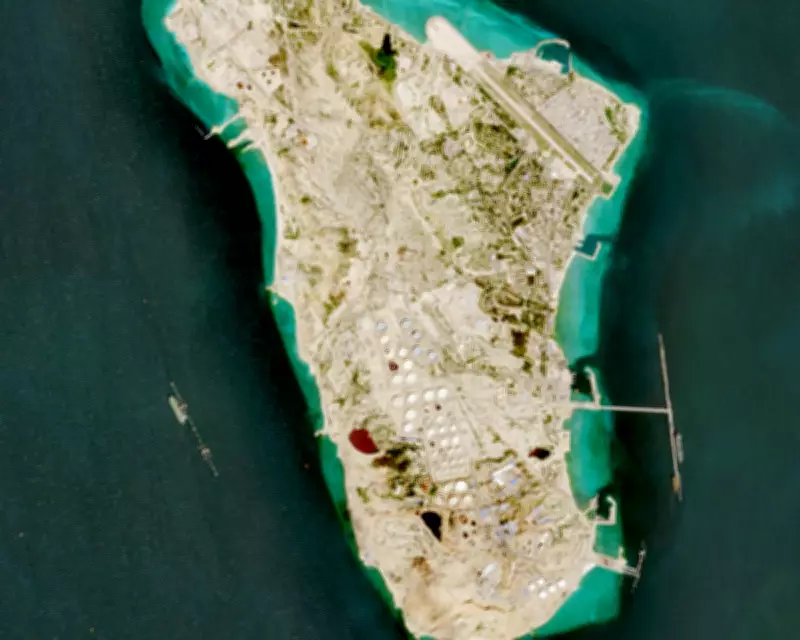
Kharg Island, a five-mile-long coral formation situated approximately 27 miles from the Iranian mainland in the Persian Gulf, serves as the primary processing and export hub for approximately 90% of Iran's oil shipments. The island had remained largely untouched during the initial phases of US-Israeli military operations, making this weekend's strikes particularly significant in both strategic and market terms.
Former President Donald Trump claimed in a Saturday interview with NBC News that US military action had "totally demolished" substantial portions of the island's infrastructure, suggesting additional strikes might follow. Despite asserting that operations had avoided oil and energy facilities "for reasons of decency," the targeting of this critical export center sent shockwaves through global energy markets already grappling with regional instability.

Hormuz Strait Closure Compounds Global Supply Concerns
The situation has been further complicated by the effective closure of the Strait of Hormuz, one of the world's most vital maritime chokepoints through which approximately one-fifth of global oil supplies typically transit. Trump publicly urged several US allies—including France, Japan, South Korea, and the United Kingdom—along with China to participate in what he termed a "team effort" to secure the waterway and protect commercial shipping from potential Iranian attacks.
The international response to these appeals has been notably restrained. South Korean officials indicated they were "exploring various measures from multiple angles" regarding energy transport security, while British authorities are reportedly developing plans to deploy minesweeping drones rather than naval vessels, reflecting concerns that direct military involvement could exacerbate an already volatile situation.
Fuel Price Impacts and Global Economic Ramifications
This latest escalation follows oil prices surpassing $100 per barrel last week for the first time since Russia's invasion of Ukraine four years ago, with the US-Israel conflict triggering market movements that have increased fuel costs across global economies. According to AAA data, the average price for gasoline in the United States reached $3.70 per gallon on Sunday, representing a 62-cent increase over the previous month's levels.
Consumer frustration has become increasingly evident as energy costs continue their upward trajectory. "I don't give a shit about Iran. I don't want to pay higher gas," stated Kevin Dass, an underemployed Detroit father of two, after paying $3.49 per gallon to refuel his vehicle last week—a sentiment echoing concerns among motorists and businesses worldwide.
Trump attempted to downplay persistent price concerns during his NBC interview, suggesting that "they'll go lower than they were before" due to abundant global reserves, though acknowledging current "clogged" distribution channels that he predicted would soon be "unclogged."
International Responses to Mounting Energy Pressures
Nations across Asia have implemented various measures to address the emerging energy crunch, ranging from fuel subsidies in Thailand to rationing protocols in Bangladesh. These developments underscore the interconnected nature of global energy markets and the widespread economic implications of Middle Eastern instability.
The combination of strategic strikes against critical infrastructure, crucial waterway disruptions, and escalating regional tensions has created a perfect storm for energy markets, with analysts monitoring whether temporary price spikes will evolve into sustained increases as the conflict continues to unfold.