

National Cabinet Confronts Fuel Price Surge Amid Global Oil Crisis
The Australian National Cabinet held an urgent meeting to address the escalating fuel price crisis, which has been exacerbated by a severe global oil shortage. This high-level gathering brought together key political figures, including Prime Minister Anthony Albanese and Opposition Leader Angus Taylor, to deliberate on immediate and long-term solutions to cushion the economic blow on households and businesses.
Economic Strain from Soaring Fuel Costs
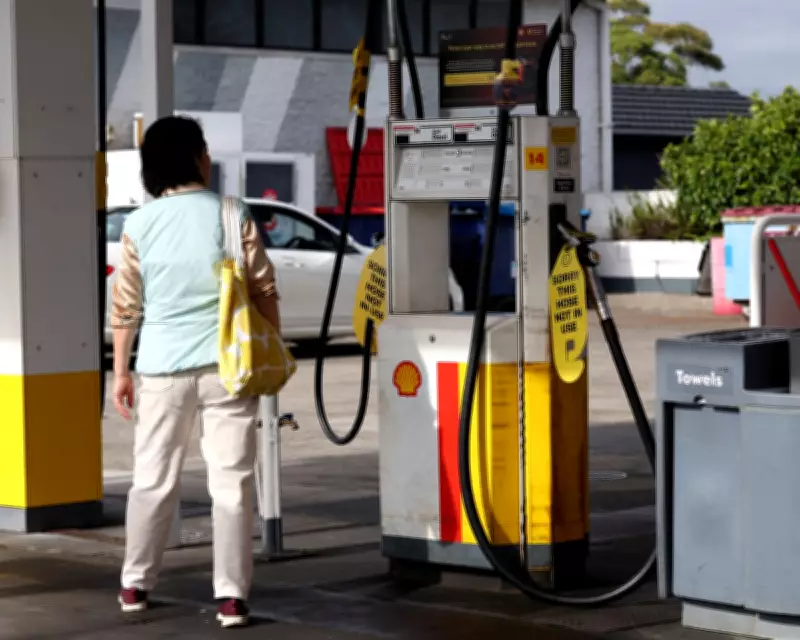
Fuel prices have skyrocketed across Australia, placing immense pressure on consumers and industries alike. The global oil crisis, triggered by supply chain disruptions and geopolitical tensions, has led to record-high prices at the pump. This surge is impacting everything from daily commutes to freight logistics, raising concerns about inflation and economic stability.
During the cabinet discussions, Labor representatives, led by Anthony Albanese, emphasized the need for targeted relief measures, such as temporary subsidies or tax adjustments, to alleviate the burden on low-income families. Meanwhile, Coalition members, including Angus Taylor, advocated for market-based approaches and increased domestic production to enhance energy security.

Political Debates and Policy Proposals
The meeting highlighted sharp political divisions on how best to tackle the crisis. Labor's focus on government intervention clashed with the Coalition's preference for free-market solutions, reflecting broader ideological differences. Chris Bowen, a senior Labor figure, underscored the urgency of transitioning to renewable energy sources to reduce dependency on volatile oil markets.
In contrast, Angus Taylor argued that boosting local oil and gas exploration could provide a more immediate buffer against global shocks. The debates also touched on environmental considerations, with some cabinet members warning that short-term fixes should not undermine Australia's climate commitments.
Implications for Australian Economy and Consumers
The fuel price crisis has far-reaching implications for the Australian economy. Key points discussed include:
- Inflation Risks: Rising fuel costs are contributing to higher inflation, which could prompt interest rate hikes and slow economic growth.
- Business Impacts: Industries reliant on transportation, such as logistics and agriculture, face increased operational expenses, potentially leading to higher consumer prices.
- Household Budgets: Families are struggling with increased living costs, prompting calls for government support to prevent financial hardship.
As the National Cabinet continues its deliberations, stakeholders are calling for a coordinated response that balances immediate relief with sustainable energy policies. The outcome of these talks could shape Australia's economic trajectory in the coming months, influencing everything from consumer confidence to international trade relations.






