UK Government Announces Sweeping Nuclear Power Regulatory Overhaul
Energy Secretary Ed Miliband has unveiled comprehensive plans to dramatically accelerate nuclear power generation in the United Kingdom through significant regulatory reforms. The government aims to implement these changes by the end of next year, promising to reduce bureaucratic hurdles, cut development costs, and streamline the approval process for nuclear infrastructure projects.
Accelerating Clean Energy Infrastructure
Speaking about the proposed changes, Miliband emphasized the urgent need for energy security amid global instability. "As current international conflicts demonstrate, we must move faster to develop clean energy sources that reduce our dependence on volatile fossil fuel markets," Miliband stated. "This regulatory overhaul represents a crucial step toward building essential infrastructure more efficiently while maintaining environmental protections."
The reforms implement recommendations from the Nuclear Regulatory Taskforce, led by former Office of Fair Trading chief executive John Fingleton. The taskforce's review, completed last year, identified the current system as "overly complex" and "bureaucratic," with processes that often prioritized procedure over safety outcomes.

Major Nuclear Investments Underway
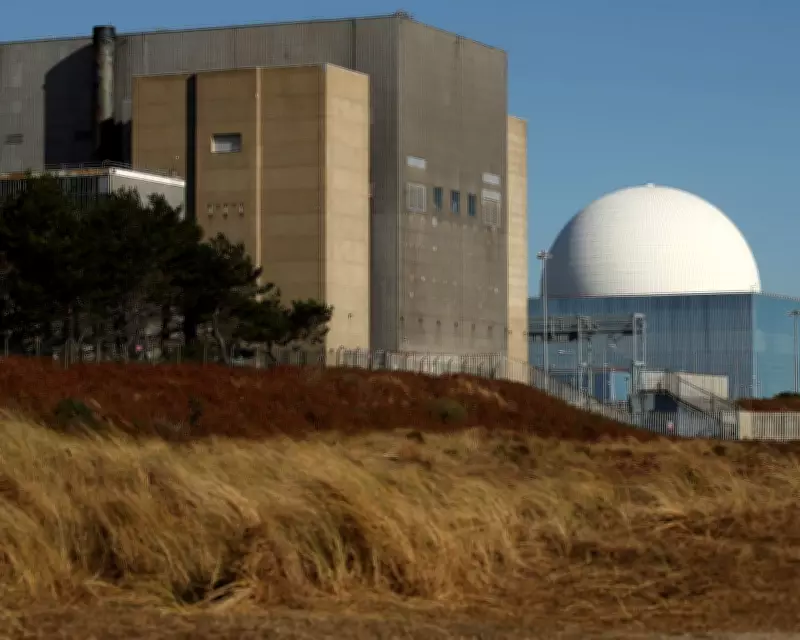
These regulatory changes come alongside substantial government commitments to nuclear expansion. In June, Miliband announced a £14.2 billion program that includes significant investment in the Sizewell C nuclear power station on the Suffolk coast and development of small modular reactors (SMRs).
Environment Secretary Emma Reynolds recently published regulatory justification for Rolls-Royce's pioneering SMR development plans. The government claims the new regulatory framework will make this the last time such mini-nuclear plants require extensive approval processes.
Government Defense and Environmental Criticism
Chancellor Rachel Reeves strongly defended the initiative, stating: "To build national resilience, drive energy security, and deliver economic growth, we need nuclear power. We're eliminating duplicative and overly complex regulations that have hindered our nuclear ambitions for too long."
However, environmental planning lawyer Alexa Culver of RSK Wilding issued sharp criticism: "No ecologists or environmental specialists helped shape these proposals into anything resembling a 'win' for nature. This represents irresponsible deregulation when we're increasingly understanding the true costs of environmental degradation."
Culver pointed to recent environmental scandals in the water industry as evidence that "high-stakes regulation is complex and easily manipulated when 'simplified' without proper checks and balances."
Workforce Development and Research Funding
Alongside regulatory changes, the government announced substantial investments in nuclear education and research. Over 500 doctoral students will receive nuclear-related training through four annual intakes, quadrupling current PhD enrollment numbers.
Seven research programs will receive £65.6 million in new funding, matched by industry partners, to be conducted at universities across the UK. Charlotte Brumpton-Childs, GMB union's national nuclear officer, welcomed the developments: "Nuclear power is essential for energy independence and achieving net zero. Our members are prepared to build the next generation of nuclear facilities nationwide."
The Nuclear Regulatory Taskforce was established by Prime Minister Keir Starmer in February following government promises to eliminate "archaic rules" and reduce regulations to "get Britain building." Starmer accepted the taskforce's recommendations in December, indicating the approach would inform broader industrial strategy.
Defense Secretary John Healey connected the nuclear energy initiative to national security concerns: "In this new defense era, our nuclear capabilities deter extreme threats to national security, sending a clear message to potential adversaries."
The government maintains that the reformed regulatory system will be "proportionate, risk-focused, and evidence-based" while effectively protecting nature and biodiversity. However, environmental advocates remain concerned that accelerated development could compromise ecological safeguards.