Iran Oil Crisis Proves Miliband Correct on Green Energy, But Households Require Additional Support
The recent Iran oil crisis has underscored the urgency of transitioning to green energy in the UK, validating Ed Miliband's advocacy for renewable power. However, while decarbonising the grid is a critical step, households continue to face high and volatile bills, necessitating deeper reforms to the energy system. Britain's reliance on a market where gas prices dictate electricity costs leaves families vulnerable to geopolitical disruptions, such as illegal wars and trade route closures, which drive up fossil fuel prices globally.
How Gas Prices Dominate the UK Electricity Market
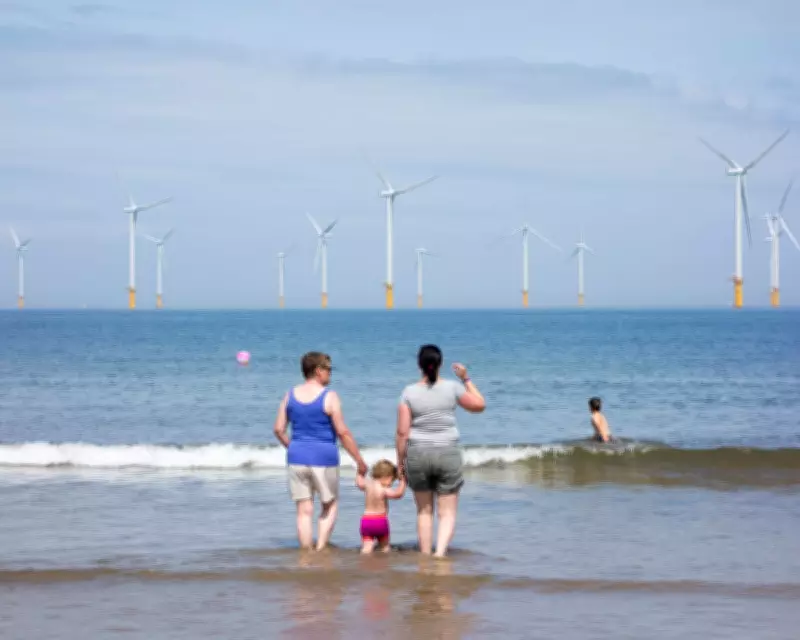
Britain employs a marginal pricing system for electricity, where the most expensive source needed to meet demand sets the price for all power. Gas generates only about a quarter of the nation's electricity but determines prices approximately 85% of the time. This means that even when renewables like wind and solar produce the majority of energy, bills do not reflect their lower costs. As a result, events like the Strait of Hormuz closure directly impact electricity expenses in cities like Hull, despite increasing clean power generation.
Ed Miliband's strategy focuses on flooding the grid with renewables to sever the link between gas prices and electricity bills. His commitment to climate and economic justice is well-documented, and grid decarbonisation does offer insulation from global gas market fluctuations. Yet, this approach alone is insufficient to protect households and reduce the overall cost of the energy transition.

The Limits of Decarbonisation and the Need for Market Reform
Expanding renewables will gradually displace gas from the system, but the process is slow and requires significant scale to meaningfully lower wholesale prices. Until gas becomes genuinely marginal, it will continue to set prices frequently, keeping bills high and unpredictable. This is a decade-long challenge, not a quick fix, highlighting that the immediate crisis demands responses beyond just reducing fossil fuel use.
The immediate solution lies in reforming the electricity market. The government should consider moving legacy renewables and nuclear into a single-buyer model, with the energy system operator as the sole purchaser, while placing gas plants in a strategic reserve. This would provide stable fixed prices for generators, remove gas's price-setting function, and eliminate windfall profits for non-gas producers. Spain and Portugal demonstrated this principle in 2022 by decoupling electricity prices from gas through negotiated exceptions to EU market rules, leading to sharp bill reductions without altering the fuel mix.
Financing the Transition and the Privatisation Premium
Decarbonising electricity requires hundreds of billions of pounds in new generation and network infrastructure. When this investment is privately financed, households pay a premium due to higher interest rates compared to direct public investment. Over the decades-long lifespan of clean energy assets, this extra financing cost could amount to hundreds of billions, burdening consumers with unnecessarily high bills. This privatisation premium redistributes income from bill-payers to capital, undermining affordability even as the grid becomes greener.
The government's defence of clean power is commendable, but the Iran crisis reveals that more comprehensive actions are needed. Achieving price stability and lower system costs requires not only new energy technologies but also a reformed energy economy. This includes market restructuring, public ownership of essential infrastructure, and investment strategies that prioritise bill-payers over bondholders. While clean power can reduce dependence on gas, only a public power system can effectively curb rent extraction and ensure fair energy access for all.