Iran Conflict Reshapes Global Energy Markets, Forging China-Russia Alliance
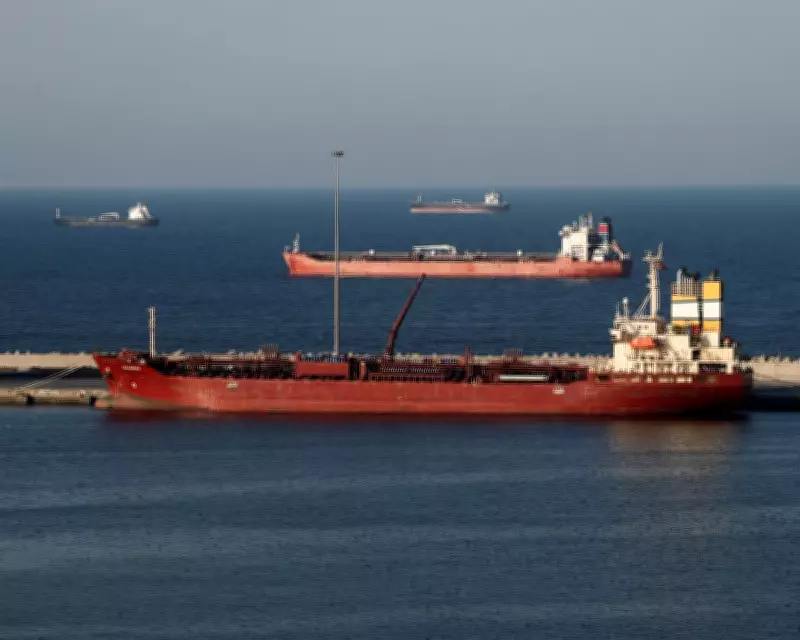
Multiple oil tankers remain anchored off the coast of Muscat, Oman, as Iran's threats to shipping in the vital Strait of Hormuz create massive disruptions in global energy flows. This maritime standoff, captured in photographs from early March 2026, represents just one visible symptom of the escalating US-Israeli military campaign against Iran now entering its second week. Beyond immediate oil price shocks, this conflict carries profound unintended consequences that could permanently alter geopolitical alliances and economic stability worldwide.
Energy Markets in Turmoil as Oil Prices Surge
Global energy markets have descended into chaos since hostilities began. Brent Crude Oil prices reached $100 per barrel on Thursday, following Monday's peak of $119. These dramatic price swings highlight the strategic importance of the Strait of Hormuz, where approximately one-fifth of all globally shipped oil and liquefied natural gas passes daily. The closure of this critical waterway will reverberate through household budgets for months through spiraling energy bills, but the economic significance extends far beyond immediate price fluctuations.
The Eastern Shift in Global Oil Trade
To comprehend the conflict's broader implications, we must examine how energy markets have transformed over the past two decades. The most dramatic change involves the complete reorientation of global oil trade patterns. Whereas Gulf crude once flowed primarily westward to supply the United States and Europe, today's center of gravity has shifted decisively toward Asia. China alone now accounts for roughly one-quarter of all global oil imports, with most originating from Gulf states.

This eastern pivot explains why the current conflict carries such significant economic and geopolitical weight. As the oil trade's center shifted eastward, the strategic choke points that once concerned Western powers now sit at the heart of Asia's economic security. For China specifically, Gulf instability and vulnerable transit routes like the Strait of Hormuz pose substantial risks to energy security. China currently consumes approximately 90% of Iran's crude oil exports, much of it routed through Malaysia to circumvent sanctions.
China's Strategic Response and Russian Partnership
In the short term, Beijing can cushion the impact by tapping its strategic petroleum reserves, estimated at 1.1 to 1.4 billion barrels. However, if disruptions persist, China will likely deepen its reliance on alternative suppliers—particularly Russia. This development would reinforce the growing energy partnership between the United States' two primary geopolitical rivals, potentially creating a formidable economic alliance that could reshape global power dynamics for decades.
Gulf Energy Giants and Global Commodity Networks
The surge in Asian trade has propelled Gulf national oil companies to the forefront of the global energy industry. Saudi Arabia's Aramco now stands as the world's largest oil exporter by a significant margin. These companies have diversified beyond simple extraction into downstream activities including petrochemicals, plastics, and fertilizer production. Consequently, the Gulf region has become a crucial supplier of industrial commodities embedded within global manufacturing and agricultural systems.
This transformation connects the Gulf directly to the global food economy. The Strait of Hormuz facilitates the movement of enormous fertilizer volumes, including more than one-third of internationally traded urea and nearly half of global sulfur exports used in phosphate fertilizers. Urea represents the most common nitrogen fertilizer and supports approximately half of global crop production. As regional shipments falter, fertilizer prices have already begun climbing sharply.

Global Food Security Under Threat
If disruptions persist during the current northern hemisphere planting season, farmers worldwide will face substantially higher input costs. These pressures will inevitably filter through to food prices globally, creating potential crises in vulnerable regions. Historical patterns suggest such shocks rarely distribute evenly. From the 2008 financial collapse to post-Ukraine invasion food and energy crises, global disruptions consistently hit the most vulnerable societies hardest.
Rising energy and fertilizer costs cascade through transportation networks, manufacturing systems, and agricultural supply chains. Poorer households and fragile economies bear disproportionate burdens. Countries in the Global South that depend heavily on imported fuel, fertilizers, and food face particular exposure. Higher commodity prices quickly translate into rising food costs, mounting balance-of-payments pressures, and potentially widespread hunger and famine.
The Fossil Fuel Dependency Dilemma
Beyond these uneven economic effects, the conflict exposes a fundamental truth about global energy infrastructure. Despite decades of discussion about energy transitions, worldwide production and trade remain heavily dependent on oil and gas. The Gulf sits at the center of this fossil fuel-dependent system, not merely as a crude supplier but as a refining, petrochemical, and fertilizer hub that sustains global manufacturing and agriculture.
Saudi Arabia's energy minister declared several years ago that "every molecule of hydrocarbon will come out." The current conflict makes stark the implications of an energy system still anchored in fossil fuels. This war highlights the dangers of continued dependence on these resources—and underscores why transitioning toward sustainable alternatives has become more urgent than ever before.
The US-Israeli campaign against Iran has unleashed forces extending far beyond Middle Eastern battlefields. As energy markets convulse and alliances realign, the conflict threatens to reshape global economic relationships while exposing vulnerabilities in our interconnected food and energy systems. The tankers anchored off Oman's coast serve as silent witnesses to a geopolitical shift whose consequences will unfold for years to come.