How Trump's Iran War Could Fuel a Global Coal Resurgence
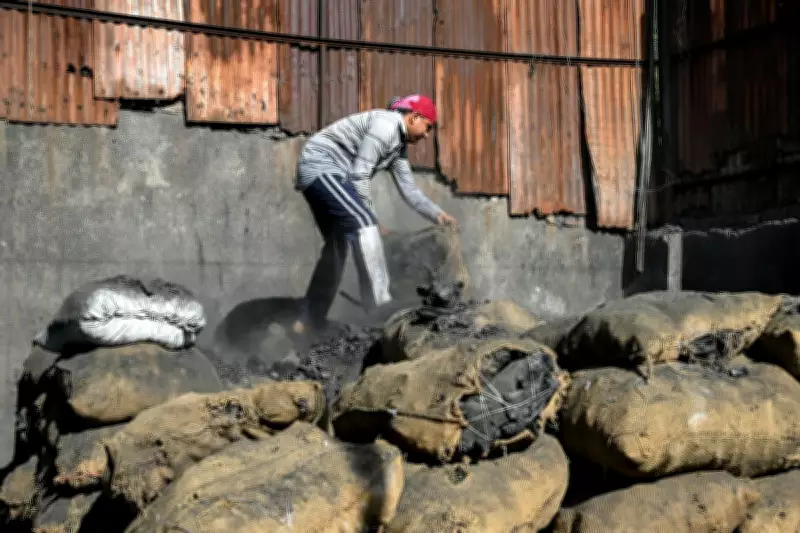
In a stark scene from Ahmedabad, a laborer sorts coal at a depot, symbolizing the dirty fuel's persistent role in global energy. This image underscores a looming shift as geopolitical tensions, particularly the US-Israel war on Iran, spark an energy crisis that may force nations to ramp up coal use, despite environmental risks.
Historical Parallels: Carter's Energy Strategy Revisited
In 1977, President Jimmy Carter addressed a nation facing an energy shortage, famously urging Americans to lower thermostats and promising solar power research. However, his most impactful move was aggressively developing domestic coal, dubbed America's "black hope" by Energy Secretary James Schlesinger. Today, under President Donald Trump, the US faces a similar quagmire with high gasoline prices and stagflation fears, leading to a renewed push for fossil fuels.
The War's Impact on Energy Security and Renewables
The conflict in Iran has disrupted global energy flows, notably through the Strait of Hormuz, threatening oil and gas supplies. This crisis makes a strong case for renewables like solar and wind, which are homemade and less vulnerable to such bottlenecks. As British Prime Minister Keir Starmer noted, homegrown renewables could stabilize energy bills and enhance national security. Yet, this sensible approach faces significant hurdles.

Why Coal Remains a Tempting but Problematic Choice
Coal is cheaper and more accessible than renewables, especially during crises. Since 2020, global coal consumption has surged by 1.3 billion tons to 8.8 billion tons, driven by demand in India and China and events like Russia's invasion of Ukraine. Despite climate summits and decarbonization efforts, coal's share of global energy has risen from 23% in 2000 to 28% in 2023. The Iran war exacerbates this trend by increasing inflation and interest rates, raising the cost of capital for renewable investments.
Global Responses: Asia and Europe Turn to Coal
In Asia, countries like Japan, India, and South Korea are already boosting coal use or considering it amid the blockade of Middle Eastern energy. In Europe, Italy has postponed coal plant shutdowns by 13 years, and Germany may reactivate idled plants. These moves risk unraveling progress from switching to cleaner gas, with 20% of natural gas supplies trapped behind the Strait of Hormuz.
Lessons from Carter's Legacy and Future Risks
Carter's energy initiatives, including solar panels on the White House and a goal of 20% renewable energy by 2000, fell short, with renewables covering just over 4% by the century's end, compared to coal's 23%. Today, coal satisfies about 9% of US energy demand, slightly less than renewables, but global instability threatens further decarbonization. A more unstable world, fueled by conflicts like the Iran war, puts climate efforts at risk, highlighting the urgent need for resilient energy policies.