Iran Conflict Fuels Energy Crisis for UK Steel and Chemical Industries
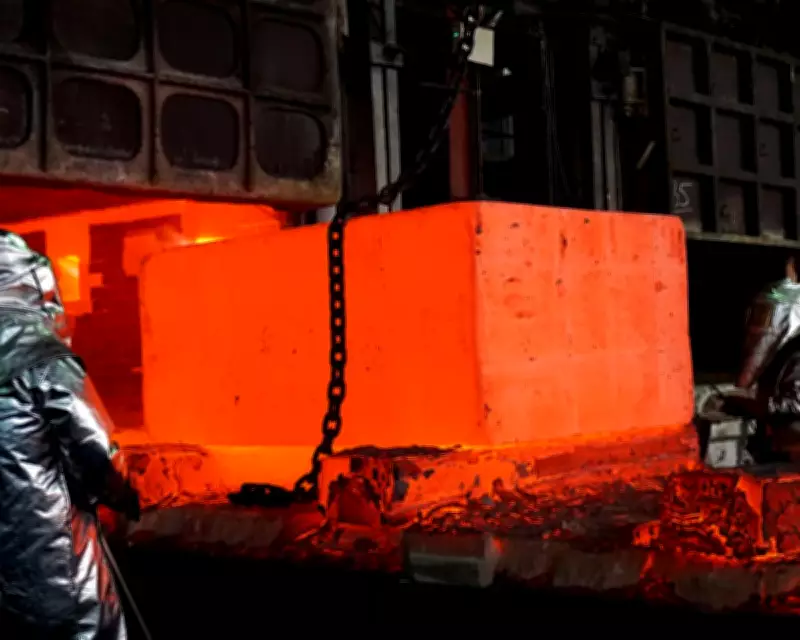
The economic fallout from the Iran conflict is delivering a severe blow to energy-intensive sectors across Britain, with companies like Somers Forge facing skyrocketing gas bills and operational challenges. In the Black Country, this family-owned forge has seen its monthly gas expenses surge from £150,000 to as high as £250,000 due to recent price spikes, pushing the business into survival mode.
Steel Sector Struggles Under Mounting Pressures
Somers Forge, with a 160-year history of producing components for iconic projects such as the Bank of England and Britain's nuclear submarines, now finds energy costs consuming an increasing share of its manufacturing expenses. Finance director Tammy Inglis describes the situation as "very damaging," noting that the conflict exacerbates existing strains from years of high energy costs and international competition. Similarly, British Steel's Scunthorpe plant, under public control, faces daily operating costs of £1.3 million, highlighting the widespread predicament.
The disruption stems from Iran's attacks on shipping in the Gulf, which have choked off access through the Strait of Hormuz—a critical passage for 20% of global oil and gas. British wholesale gas prices climbed to 171p a therm after the invasion began, the highest since Russia's 2022 invasion of Ukraine, and remained elevated at 132p a therm this week. With the UK importing 70% of its gas, this volatility leaves industries vulnerable to sharp price swings.

Chemical Industry Faces Existential Threats
The chemicals sector is even more exposed, as gas serves not only as a power source but also as feedstock for production. According to the Chemicals Industry Association, output has plummeted by 60% since 2021, with at least 25 sites closing. Peter Huntsman, CEO of Huntsman Corporation, warns that his UK plant in Wilton on Teesside could shut down if high prices persist, forcing reliance on imports from China or the US. He has imposed surcharges of 20%-30% on customers, but many are turning to cheaper alternatives, risking further closures.
Jim Ratcliffe's Ineos group, which received a £120 million government bailout for its Grangemouth facility, illustrates the precarious state of the industry. Huntsman notes that smaller operations without robust balance sheets may not survive prolonged crises, emphasizing the disparity in support between large and small companies.
European Context and Broader Implications
Across Europe, the EU faces similar challenges, with gas price spikes exposing structural issues in electricity pricing. Adolfo Aiello of Eurofer points out that geopolitical shocks directly impact industrial electricity bills, even as renewables gain traction. The continent's steel industry warns of collapse without reforms, as energy costs far exceed those in the US and China.
Supply chain disruptions extend beyond energy, affecting chemical cargoes like fertilisers critical for agriculture. European farmers face rising costs, with Egyptian urea prices jumping from $500 to over $650 per tonne. In Asia, dependencies on Gulf energy are even higher, with China sourcing more than 50% of its crude oil from the region.
Uncertain Future and Echoes of Past Crises
Back at Somers Forge, Inglis fears a prolonged economic impact, with steel price rises and volatile quotes making it difficult to maintain margins. The situation echoes the Ukraine crisis, when the company had to lay off staff amid gas prices reaching £8 a therm. While current prices are lower, the risk of a return to such conditions looms, threatening jobs and competitiveness.
As analysts warn that restoring damaged energy infrastructure could take weeks or months, industries brace for continued uncertainty. The Iran conflict underscores the fragility of global supply chains and the urgent need for strategic responses to support energy-intensive sectors in navigating these turbulent times.