Iran Conflict Ignites Global Economic Turmoil: Prepare for Soaring Prices
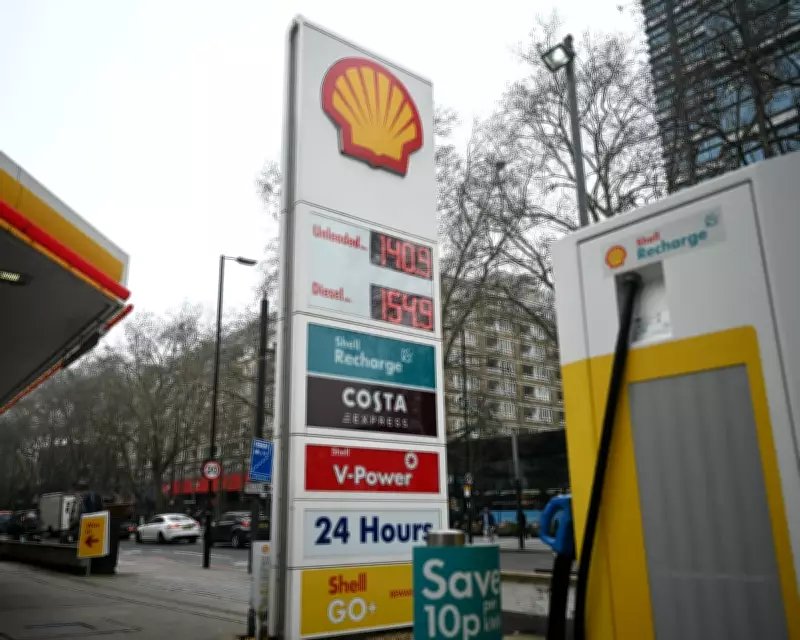
Following recent attacks on Iran, financial experts and analysts are sounding the alarm about imminent price shocks that threaten to ripple through global markets. The immediate aftermath has already seen oil prices surge to $100 per barrel, with warnings that this is just the beginning of a broader economic crisis.
Energy and Food Inflation: A Domino Effect of Rising Costs
The conflict in the Middle East is expected to trigger a chain reaction of price increases across essential sectors. Rising petrol prices are projected to drive up food inflation, which in turn will fuel broader inflation across consumer goods. This domino effect means that everything from household energy bills to grocery shopping is set to become significantly more expensive.
Experts note that attempts to lock in current energy tariffs have already been thwarted by global instability, leaving consumers with fewer options to mitigate the impact. The situation highlights how geopolitical tensions directly translate into financial strain for ordinary households.

The Illusion of Preparedness in a Global Crisis
While media and financial advisors urge the public to "get ready" for these price shocks, the reality is that individual agency is severely limited in the face of international conflict. The suggestion that personal wisdom or forethought can insulate against such widespread economic disruption is, as columnist Zoe Williams points out, fundamentally flawed.
There are no practical hatches to batten down when it comes to geopolitics. The only adjustment within reach for most people is to reduce consumption and need less—a stark reminder of how global events override personal financial planning.
Broader Economic Consequences: From Wages to Stock Markets
The economic fallout extends beyond immediate price hikes. Wages are increasingly unequal to the rising cost of living, yet complaining seems futile when employment itself is considered a privilege. Stock exchanges face potential crashes, and the scale of the impending economic disaster remains uncertain, adding to public anxiety.
This crisis underscores how mindless destruction and widespread instability inevitably translate into financial burdens for everyone. While the causal relationships are clear—conflict leads to market volatility, which drives up prices—the framing of "preparedness" often masks the harsh truth: these developments are neither shocking nor preventable at an individual level.
As the situation evolves, households must brace for continued pressure on their finances, with energy, food, and essential goods becoming ever more costly in the shadow of Middle Eastern tensions.