Gas Shock Emerges as Greater Threat Than Oil in Iran Conflict
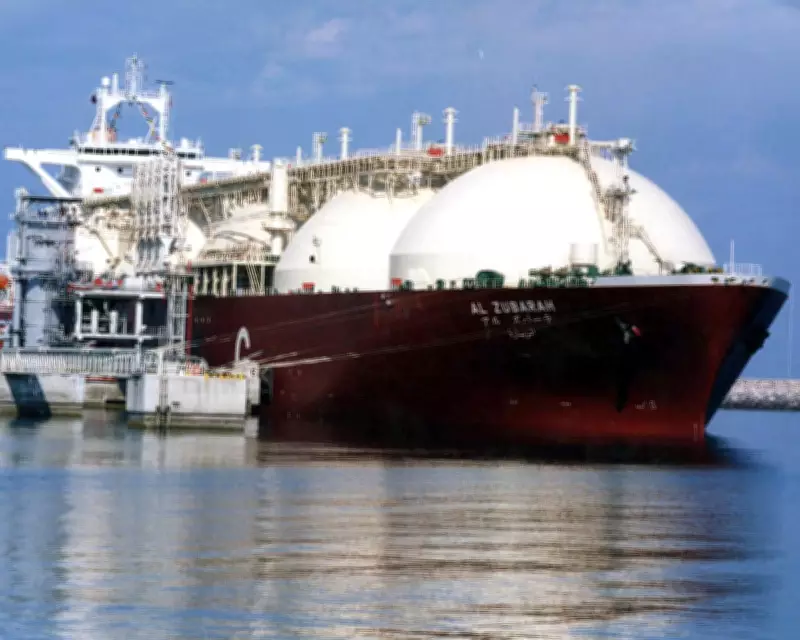
While oil price movements typically dominate energy discussions during Middle Eastern conflicts, a more immediate and severe threat has emerged: a potential gas shock stemming from the Iran war. European wholesale gas prices soared by 50% after QatarEnergy, the world's largest producer of liquefied natural gas (LNG), halted production following targeted Iranian drone strikes. This sudden disruption removed approximately 20% of global LNG supply from the market, creating fundamental shifts that could persist if the situation continues.
The Critical Strait of Hormuz Bottleneck
The crucial distinction between this gas crisis and potential oil disruptions lies in transportation logistics. Unlike Saudi oil, which can be partially diverted through pipelines, Qatari LNG cannot be rerouted via alternative land-based infrastructure. All shipments must pass through the strategic pinchpoint of the Strait of Hormuz, where shipping activity has essentially ceased due to security concerns. This geographical constraint amplifies the supply disruption's impact on global energy markets.
Analysts from Goldman Sachs project that European gas prices could skyrocket by 130% if Hormuz flows remain disrupted for an entire month, reaching thresholds that previously triggered significant natural gas demand responses during Europe's 2022 energy crisis. Stifel's analyst offered a more blunt assessment: "Attempting regime change in Iran risks a repeat of Europe's 2022 energy crisis, just worse the second time around."

Europe and Asia Face Direct Impact
Europe and Asia find themselves particularly vulnerable as the primary buyers of Qatari LNG. Approximately one-quarter of Europe's gas supply arrived as LNG in 2025, while Britain averaged 21% over the past five years according to government statistics. Compounding the problem, European gas storage levels remain depleted following an unusually cold winter, leaving the continent with limited buffer capacity.
The United States maintains a more secure position as an LNG exporter following its shale gas revolution over recent decades. For the United Kingdom, a minor consolation exists in reduced reliance on Qatari LNG compared to 2022 levels. Energy analyst Cornwall Insight reports Qatar supplied about 6.5% of UK LNG imports over the past year, significantly lower than the approximately 69% originating from the United States since 2023.
Global Market Dynamics and Consumer Consequences
LNG operates within a truly global market where cargoes can be redirected mid-transit during crises, with shipments potentially shifting from Asia to Europe or vice versa based on price advantages. As witnessed in 2022, elevated wholesale gas prices rapidly translate into higher consumer energy bills, creating economic pressure on households and businesses alike.
Key variables determining the crisis's severity include the duration of Qatari production shutdowns and the effective closure period of the Strait of Hormuz. The difference between one week and one month of disruption carries substantial consequences. In numerical terms, UK gas prices jumped from 75p per therm last Friday to 114p on Monday. While still below the 250p threshold that characterized the 2022 crisis peak, current trajectories suggest such levels could become plausible if disruptions persist.
Policy Implications and Energy Security Concerns
The situation presents fresh challenges for governments that have prioritized LNG reliability and affordability within their energy policies. Last year's "security of supply" report from the UK government acknowledged declining domestic North Sea gas production while expressing confidence in "a robust, oversupplied global LNG market" over the next four years. Monday's market conditions contradicted this optimistic assessment, revealing neither robustness nor oversupply characteristics.
As Stifel warns, household energy bills could spike again, creating political and economic complications similar to those experienced during the previous energy crisis. The evolving situation underscores the interconnected nature of global energy markets and the vulnerability of supply chains to geopolitical disruptions in critical maritime corridors.