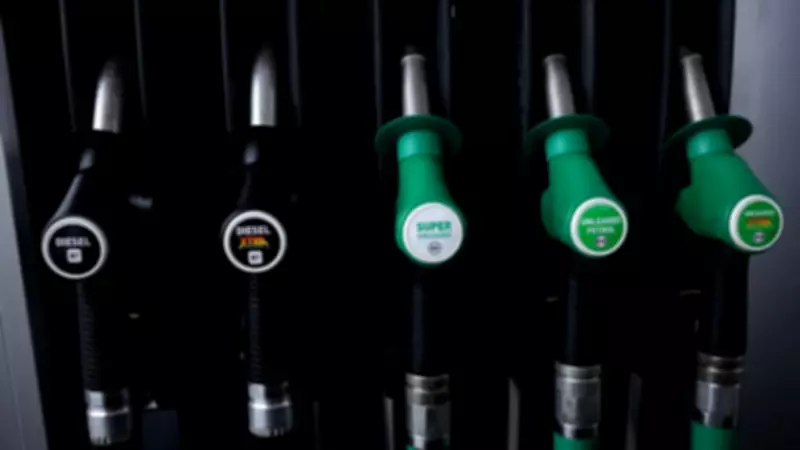
What Determines Petrol Prices and Government Revenue from Fuel Taxes?
Oil prices have experienced a significant surge due to ongoing conflict in the Middle East, but this represents just one component influencing what consumers pay at fuel stations. According to recent RAC data, diesel prices have increased by an average of 18p per litre, rising from 142.4p to 160.3p since the United States and Israel initiated strikes against Iran in late February. This substantial 13% increase marks the highest diesel price level since November 2023.
Petrol prices have similarly climbed by 7% during the same timeframe, escalating from 132.8p to 141.5p per litre, reaching their most expensive point since August 2024. The conflict has driven oil prices beyond $100 per barrel for the first time since 2022, significantly impacting wholesale fuel costs. However, multiple additional factors contribute to the final price consumers encounter when refueling their vehicles.
The Composition of Fuel Pricing
Taxation constitutes at least 50% of the price paid per litre for both petrol and diesel. This tax burden is divided between Value Added Tax (VAT) and specific fuel duty charges. VAT consistently represents 17% of the total price for both fuel types. Fuel duty, a specialized tax applied to purchases of petrol, diesel, and various other fuels, accounts for 38% of petrol prices and 33% of diesel prices according to RAC calculations.

Wholesale fuel expenses make up 33% of petrol costs and 40% of diesel costs. The remaining price components include:
- Retailer margins - The profit retailers earn from each litre of fuel sold
- Distribution and delivery costs - Expenses associated with transporting fuel to stations
- Bio-content expenses - Costs related to making fuel more environmentally sustainable
Fuel Duty Details and Government Revenue
Current fuel duty rates stand at 52.95p per litre for standard petrol and diesel. This figure incorporates a temporary 5p reduction implemented during the Ukraine war outbreak in 2022, which has been repeatedly extended. The discount is scheduled for gradual reduction beginning in August, with complete reversal anticipated by March 2027.
The phased reintroduction will commence with a 1p per litre increase to 53.95p, followed by additional 2p increments in December and March. At present levels, fuel duty generates approximately £24 billion annually for government coffers according to Office for Budget Responsibility estimates. This substantial sum represents about 1.9% of total government revenue, equivalent to £835 per household across the nation.
The OBR projects fuel duty will yield £24.2 billion during the 2026/27 tax year, with expectations of this amount rising to £26.2 billion the following year.
Controversy and Political Response
Since the Middle East conflict escalation, government officials have cautioned retailers against implementing unjustified price increases. Chancellor Rachel Reeves has specifically requested competition authorities to address what she describes as "rip-off" fuel pricing practices, aiming to prevent excessive profiteering during periods of elevated oil prices.
Critics have urged government postponement of the scheduled fuel duty increases as a measure to alleviate financial pressure on motorists. AA President Edmund King emphasized: "As the Middle East conflict persists, global oil price increases will negatively impact inflation, particularly through diesel price escalation. Since most goods and services rely on diesel transportation, consumers will inevitably face resulting price increases. We strongly advocate for the chancellor to delay the staggered reintroduction of the 5p fuel duty discount to provide financial relief for households facing economic challenges."
Energy Secretary Ed Miliband recently indicated potential flexibility regarding the duty increase timeline when questioned by BBC journalists, stating: "I'll be candid - we cannot predict the conflict's duration. With five months remaining until September, we must assess the situation as it develops."