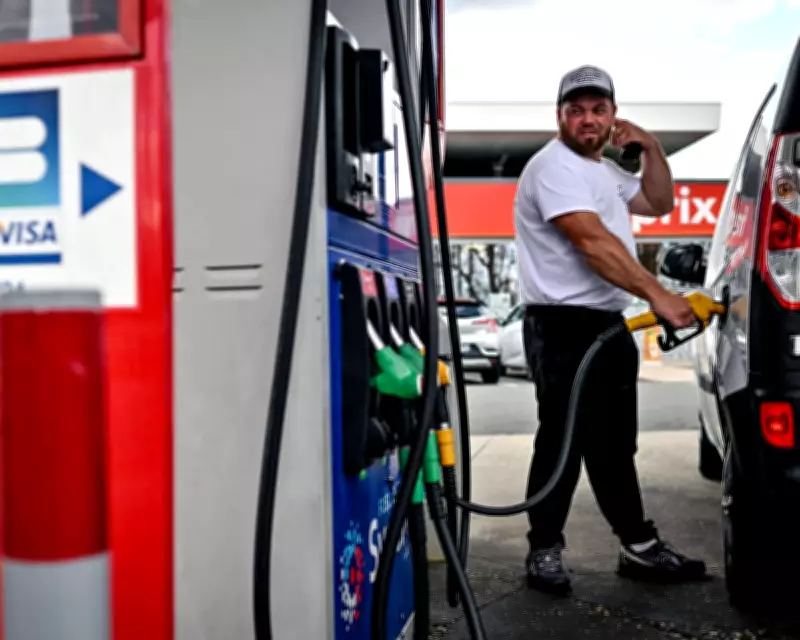
European motorists are bracing for a significant financial hit as geopolitical tensions drive up oil prices, with analysts projecting an average annual increase of €220 in fuel costs due to the conflict in Iran. In the United Kingdom, drivers could face an additional £140 per year, highlighting the broader economic strain from global volatility.
Oil Price Surge and Its Impact on Household Budgets
With Brent crude hovering around $100 a barrel, researchers from the Transport & Environment (T&E) thinktank estimate that EU drivers would collectively pay €55 billion more over a year. This translates to an average of €220 per driver, with those covering higher mileage experiencing even steeper hikes. The assessment draws comparisons to 2022, when Russia's invasion of Ukraine similarly pushed oil prices to the $100 mark, using data from 2017-2019 as a baseline.
UK-Specific Estimates and Electric Vehicle Advantages
In the UK, the Energy and Climate Intelligence Unit (ECIU) calculates that a $100 per barrel oil price would result in a £140 annual fuel cost increase for drivers logging 8,000 miles yearly, based on pre-conflict prices from early March. Meanwhile, electric vehicles (EVs) are becoming increasingly cost-effective, with annual savings already at £870 in the UK, projected to exceed £1,000 under current oil price conditions. Across the EU, the 7.7 million electric cars on the roads are reducing oil consumption, with T&E noting potential daily savings of €40 million for European EV owners at $100 oil.

Geopolitical Premium and Calls for Energy Independence
Antony Froggatt of T&E emphasized that Europe's reliance on imported oil creates a "geopolitical premium" during global instability, pressuring households and economies. He urged a shift toward electric vehicles, heat pumps, and renewable energy to mitigate future shocks. Colin Walker from the ECIU echoed this sentiment, recalling the oil price surge after Russia's invasion of Ukraine and stressing that North Sea drilling offers little relief from regular price shocks for British drivers.
Profit Windfalls and Policy Responses
Oil price spikes have proven lucrative for major companies, with BP, Shell, TotalEnergies, Chevron, and ExxonMobil collectively earning nearly $200 billion in profit in 2022 at $100 oil. The industry has averaged about $1 trillion in annual profit over the past half-century. While the EU's energy windfall profits regulation reclaimed some profits in 2022-2023, it has since lapsed, prompting calls for its rapid reinstatement during prolonged high prices. In the UK, a windfall tax remains, with experts cautioning Chancellor Rachel Reeves against easing it, as it would not alleviate consumer burdens.
Broader Economic and Environmental Implications
T&E noted that the €55 billion extra paid by EU motorists in 2022 would have been higher without €30 billion in fuel duty cuts, effectively a taxpayer-funded fossil fuel subsidy. Despite this, green policies across Europe have faced weakening, with right-wing politicians citing cost savings. The Transition Security Project estimates the 2022 energy shock cost the EU and UK $1.8 trillion from 2022 to 2025. The UK's climate advisers argue that achieving net zero by 2050 would cost less than a single oil shock, such as from the Ukraine war, and protect against future price spikes.
Froggatt warned against rolling back climate targets, like the 2035 phaseout of fossil fuel cars or delaying the EU's carbon pricing on heating and fuels, stating it would only reduce security. As oil prices remain volatile, with Brent crude at $91 recently, the push for energy independence and sustainable alternatives grows more urgent to shield consumers from recurring financial strains.