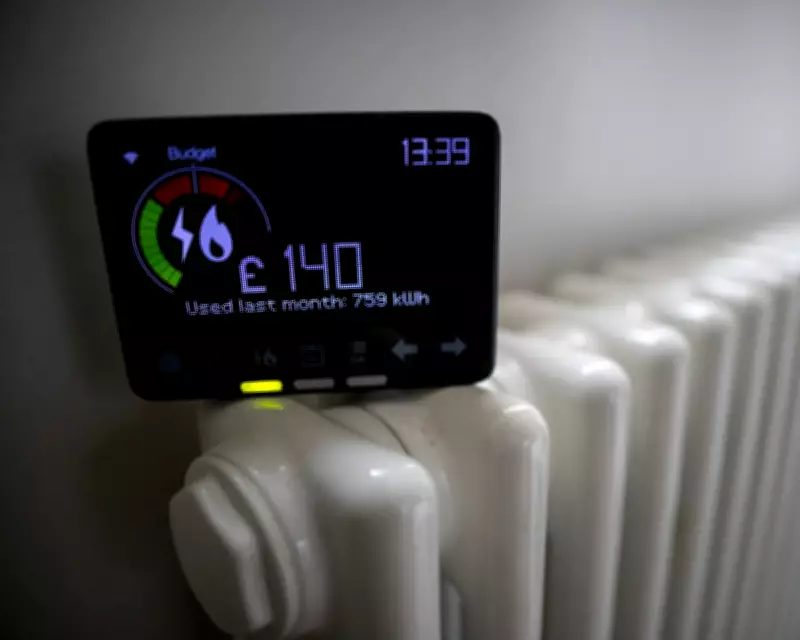
Energy Price Cap in Great Britain to Fall 7% from April
Millions of households across Great Britain will see their energy bills decrease by an average of £10 per month starting in April, following a significant announcement from the energy regulator Ofgem. The price cap, which limits the amount suppliers can charge customers on default tariffs, is set to drop by 7%, marking the largest reduction since last summer. This change will bring the average annual dual-fuel bill down to £1,641, a reduction from the current £1,758.
Drivers Behind the Price Reduction
The primary factor behind this price cap fall is a shake-up in green levies, as outlined in the November budget by Chancellor Rachel Reeves. The government has committed to removing or reallocating certain environmental charges, including ending the Energy Company Obligation (ECO) home insulation scheme and funding older renewable energy projects through general taxation instead of consumer bills. However, the promised £150 annual saving per household has not been fully realized due to increased costs associated with maintaining and upgrading the nation's energy networks, such as power lines and gas pipes, which add approximately £6 per month to bills.
Wholesale energy prices, which constitute the largest portion of household bills, have remained stable recently, showing a 6% decline over the past three months. Despite this positive trend, the rise in network expenses has partially offset the benefits, leading to a smaller overall reduction than initially anticipated.

Impact on Different Types of Energy Deals
This reduction will affect not only customers on default tariffs but also those on fixed deals, as the change results from a broad government policy shift. Suppliers are expected to notify fixed-deal customers via email or letter regarding how their bills will be adjusted. According to Richard Neudegg, director of regulation at Uswitch.com, the budget-driven levy removal ensures that every household in Britain will experience lower rates, not just those on more expensive default tariffs.
Consumer champion Martin Lewis notes that most fixed deals will see reductions of 7% to 9% in April, though smaller companies exempt from the ECO may not pass on the full savings. He emphasizes that the cheapest fixed deals currently available are about 14% below the existing price cap, and this differential is likely to persist post-April.
Variations in Savings Based on Energy Usage
The £150 figure cited by the chancellor is an average estimate, and actual savings will vary depending on individual energy consumption. The levy changes primarily affect electricity unit rates, meaning households with higher electricity usage, such as those with medical equipment, will benefit the most. In contrast, homes using less electricity and more gas may see more modest reductions.
Standing charges, which account for around 19% of the average bill, will also see adjustments. From April, average daily standing charges will shift to 57.21p for electricity and 29.09p for gas, totaling over 86p per day, compared to the current nearly 90p. The government has moved the cost of the Warm Homes Discount from standing charges to unit prices, aiding low-energy users but potentially increasing costs for high-demand families.
Recent analysis by the Resolution Foundation thinktank indicates that savings will be more substantial for poorer households, with energy bill falls being twice as valuable to the bottom 20% by income compared to the top 20%.
Future Outlook and Consumer Advice
While the current reduction offers relief, energy analysts caution that bills may creep higher again in subsequent price cap revisions, scheduled every three months. Network costs are expected to continue rising, and government support is set to diminish by 2029, potentially leading to future bill increases unless further interventions are made.

Ofgem encourages households to shop around for better deals, as switching suppliers or adjusting tariffs could yield additional savings. Tim Jarvis, Ofgem's director general of markets, reports a 20% year-on-year increase in switching, highlighting growing consumer engagement. He advises that fixed deals often cost less than the price cap, with some current best-buy offers, such as those from Fuse Energy and Outfox Energy, priced over £100 below the April cap figure.
In summary, the April price cap reduction provides welcome financial relief for many, but consumers should remain proactive in managing their energy costs through comparison and switching to optimize savings in a volatile market.