Democratic Lawmakers Push for LNG Export Freeze as Energy Costs Burden Households
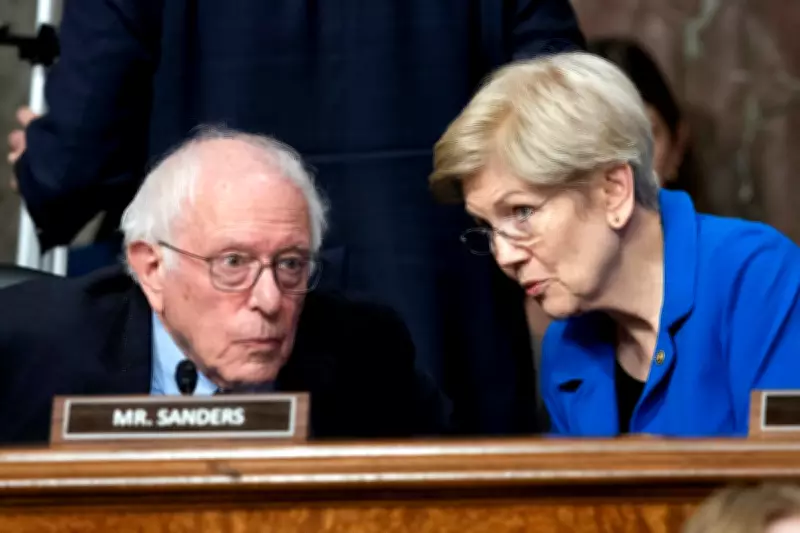
As energy prices for American households continue to escalate nationwide, a coalition of Democratic and progressive lawmakers is urgently calling on the Energy Department to halt the expansion of liquefied natural gas exports. The group, led by Senator Elizabeth Warren of Massachusetts and Independent Senator Bernie Sanders of Vermont, argues that current policies are exacerbating financial strain on families.
Letter Highlights Conflict Between Policy and Promises
In a detailed letter addressed to Energy Secretary Chris Wright, the senators contend that the Trump administration's liquefied natural gas export strategies are failing to prioritize American interests. The correspondence explicitly states that these policies have driven up utility prices, leaving numerous households struggling to afford heating during winter months.
The lawmakers emphasize that this export surge directly contradicts President Trump's repeated commitments to reduce utility expenses for citizens. They reference a June report from the Energy Information Administration, which identified strong export growth persistently outpacing domestic natural gas production as the primary driver behind elevated prices in 2025 and projected increases for 2026.

Exponential Growth in LNG Exports Under Current Administration
Exports of liquefied natural gas, which involves cooling methane gas into liquid form for efficient long-distance transportation, experienced significant expansion during former President Joe Biden's tenure. However, since President Trump resumed office in January of last year, these exports have accelerated dramatically.
Federal data reveals a 26% increase in 2025, with an additional 8% growth anticipated this year. Notably, the United States achieved a historic milestone last year by becoming the first nation to export over 100 million metric tons of liquefied natural gas within a single year—an accomplishment the White House has publicly celebrated.
Economic Mechanism and Industry Influence
The senators explain the economic principle behind the price increases: heightened exports reduce domestic natural gas availability, consequently driving up costs for residential consumers. This assessment has been corroborated by utilities and state regulators across the country.
While American households face financial pressure, the fossil fuel industry has reaped substantial benefits from expanded liquefied natural gas exports. The letter notes that industry players contributed unprecedented amounts to President Trump's presidential campaign. For example, leading exporters Cheniere Energy and Venture Global reported significantly enhanced earnings last year.
Executives from both corporations contributed to the president's re-election efforts and participated in fundraising events where Trump reportedly solicited $1 billion in campaign support from the fossil fuel sector.
Administration's Stance and Legislative Response
Despite growing public concern about utility costs—with polls indicating increasing anxiety among Americans—the administration has consistently advocated for continued export expansion. Energy Secretary Chris Wright declared last fall his intention to "double the natural gas exports", a statement highlighted in the senators' correspondence.
The letter, also endorsed by Senators Richard Blumenthal of Connecticut, Sheldon Whitehouse of Rhode Island, Ed Markey of Massachusetts, Jeff Merkley of Oregon, Jack Reed of Rhode Island, Chris Van Hollen of Maryland, and Peter Welch of Vermont, urges Secretary Wright to reassess the administration's position.
The lawmakers specifically request that the Energy Department take concrete measures to alleviate consumer utility bills and provide a written response outlining commitments to address these concerns. This legislative action coincides with Guardian analysis showing the average American household paid nearly 6.7% more for electricity in 2025 compared to the previous year, despite presidential promises to halve electricity costs within the first year back in office.