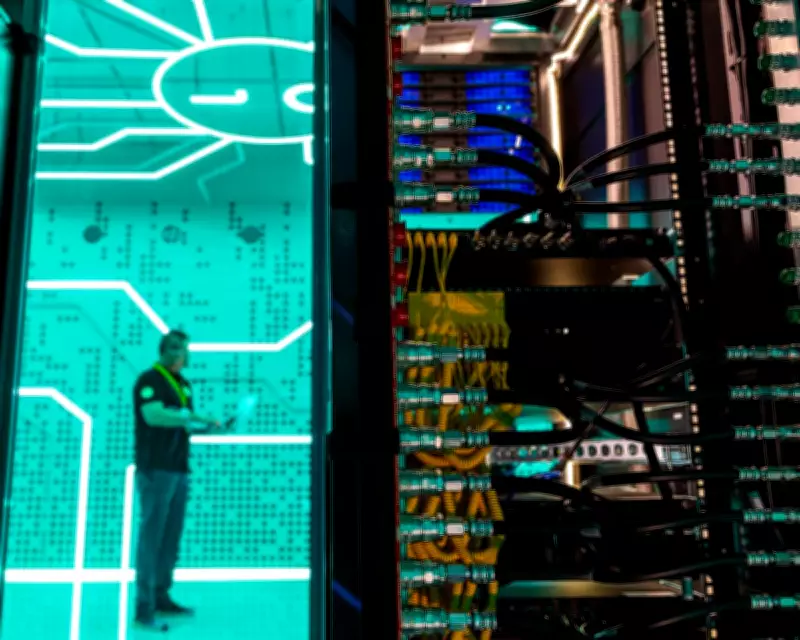
UK Datacentre Expansion Poses Major Challenge to National Energy Infrastructure
The UK's energy regulator, Ofgem, has issued a stark warning that a surge in new datacentre projects, primarily driven by artificial intelligence applications, could potentially double the country's electricity consumption. This unprecedented demand threatens to overwhelm the national grid and undermine critical clean energy targets.
Unprecedented Power Requirements
According to Ofgem's latest consultation on grid connection applications, approximately 140 proposed datacentre schemes are seeking connections that would require an astonishing 50 gigawatts of electricity. This staggering figure exceeds the UK's current peak electricity demand by 5 gigawatts, representing a fundamental shift in the nation's energy landscape.
The regulator highlighted a dramatic increase in connection applications between November 2024 and June of last year, with datacentre proposals forming a significant portion of this surge. This development has surpassed even the most ambitious industry forecasts, creating urgent challenges for grid management and energy planning.

Clean Energy Targets at Risk
The datacentre boom comes at a particularly critical moment for UK energy policy. New renewable energy projects are not being connected to the national grid at the same pace they are being constructed, despite government commitments to achieve clean energy targets by the end of the decade.
Ofgem expressed concern that the work required to accommodate the growing number of datacentres could result in significant delays for other projects deemed "critical for decarbonisation and economic growth." This development could make it substantially more difficult for the UK to meet its ambitious target of creating a virtually carbon-free power system by 2030.
The Guardian previously revealed that a single massive datacentre proposed for Elsham in Lincolnshire could potentially generate more greenhouse gas emissions than five international airports combined, highlighting the scale of the environmental challenge.
AI's Dual Role in Energy Future
Datacentres serve as the central nervous system for AI tools including chatbots, image generators, and sophisticated language models like ChatGPT and Gemini. While some technology leaders and climate experts believe AI could ultimately help combat global heating by optimizing power grid efficiency and accelerating zero-carbon technology development, there are widespread concerns about immediate impacts.
In the near term, the explosive growth of datacentres may drive increased demand for fossil fuels to meet their substantial energy requirements, potentially offsetting progress in renewable energy adoption.
Regulatory Response and Proposed Solutions
Ofgem has identified several critical issues requiring immediate attention. The regulator noted that unviable applications for grid access could block progress for important datacentre bids, including those related to the government's designated AI growth zones. These zones, announced last year as part of plans to increase UK AI adoption, were touted as offering streamlined planning processes and assistance with energy access.
To address these challenges, Ofgem has proposed implementing tougher financial tests for datacentre developers seeking grid connections. The regulator is considering several measures including:
- Requiring deposits or nonrefundable fees for energy connection applications
- Exploring whether datacentre developers should pay for and build their own grid access infrastructure
- Establishing mechanisms to prioritize strategically important projects
These measures aim to deter nonviable projects that might otherwise clog the application process while accelerating connections for well-funded, strategically important developments. Ofgem described the datacentre challenge as a "global issue" requiring coordinated solutions that balance technological advancement with environmental sustainability and energy security.
The regulator emphasized that datacentres must be central to any changes in the electricity connection application process, acknowledging that current systems lack adequate mechanisms for prioritizing projects deemed strategically important by government ministers.