Kemi Badenoch's Energy Strategy Faces Intense Scrutiny
Conservative Party leader Kemi Badenoch has ignited a fresh political controversy with her recent advocacy for renewed oil drilling in the North Sea, a move that comes amid escalating tensions in the Middle East and rising global oil prices. Badenoch's positioning on energy policy has drawn sharp criticism from opponents who question the economic and strategic wisdom of her proposals.
War Response and Policy Reversals
When news broke of the United States declaring war on Iran, Badenoch initially expressed strong support for British involvement alongside American forces. This stance mirrored her characteristic tendency toward immediate, decisive action rather than measured deliberation. However, as members of her shadow cabinet raised concerns about the legality and strategic implications of entering another Middle Eastern conflict, Badenoch's position underwent a significant shift.
The Conservative leader subsequently argued that her original comments had been misinterpreted, insisting she never actually supported offensive military action. This pattern of apparent policy reversal has become familiar to observers of Badenoch's political career, with critics accusing her of seeking attention through provocative statements that later require clarification or modification.

Energy Policy and Economic Realities
Badenoch's current focus has turned to domestic energy concerns, where she has championed the reopening of depleted North Sea oilfields like Rosebank and Jackdaw. Her argument centers on enhancing British energy security during a period of international uncertainty, but economic analysts have questioned the practical benefits of this approach.
Several key issues undermine Badenoch's energy proposals:
- British North Sea oil trades at international market prices, meaning increased domestic production wouldn't necessarily translate to lower consumer costs
- The United Kingdom sold off ownership of its oil reserves decades ago, unlike Norway which retained control of its resources
- Global oil prices have surged to approximately $110 per barrel following Middle Eastern conflicts
- Renewable energy alternatives offer more sustainable long-term solutions for energy independence
Symbolic Gestures and Political Theater
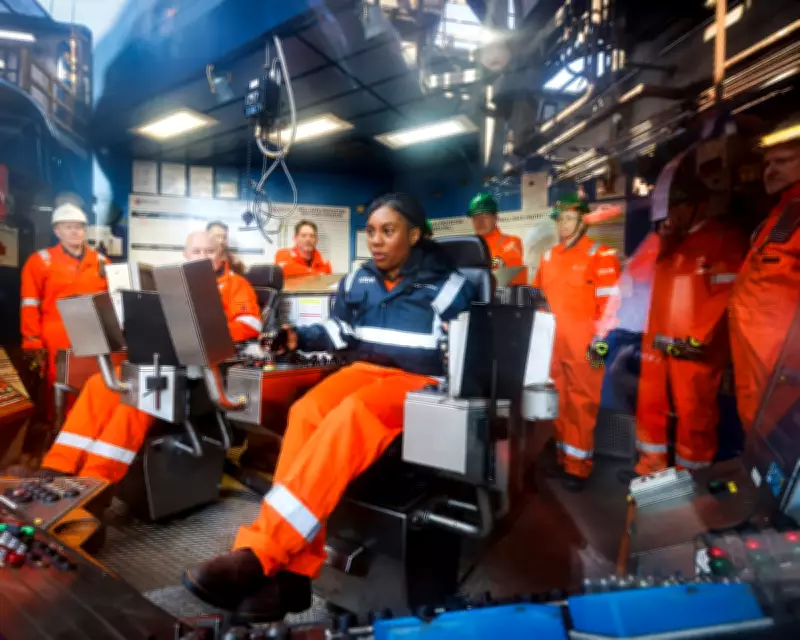
In a highly publicized moment, Badenoch visited the Well-Safe Protector oil rig in Aberdeen's port, where she was photographed at drilling controls. This visual spectacle echoed former U.S. President Donald Trump's "drill, baby, drill" mantra while drawing attention to her energy agenda. Critics dismissed the event as political theater that oversimplified the complex realities of energy production and distribution.
Badenoch has further complicated her energy platform by proposing to eliminate VAT from energy bills for three years and reduce green energy subsidies, positions that align with Reform Party policies. Simultaneously, she advocates cutting windfall taxes on oil and gas companies despite their record profits during the current crisis.
Political Context and Opposition Response
The energy debate unfolds against a challenging political backdrop for both major parties. Labour leader Keir Starmer recently conducted a subdued local election campaign event in Wolverhampton, where he emphasized his consistent opposition to the Iran war while avoiding substantive policy announcements. Labour faces difficult local elections amid broader political uncertainty.
Badenoch's approach continues a pattern of what critics describe as displacement activity—addressing symptoms rather than underlying causes of complex problems. Her tendency toward immediate action, even when based on questionable assumptions, has become a defining characteristic of her leadership style. As global energy markets remain volatile and Middle Eastern conflicts persist, the debate over Britain's energy future grows increasingly urgent and politically charged.