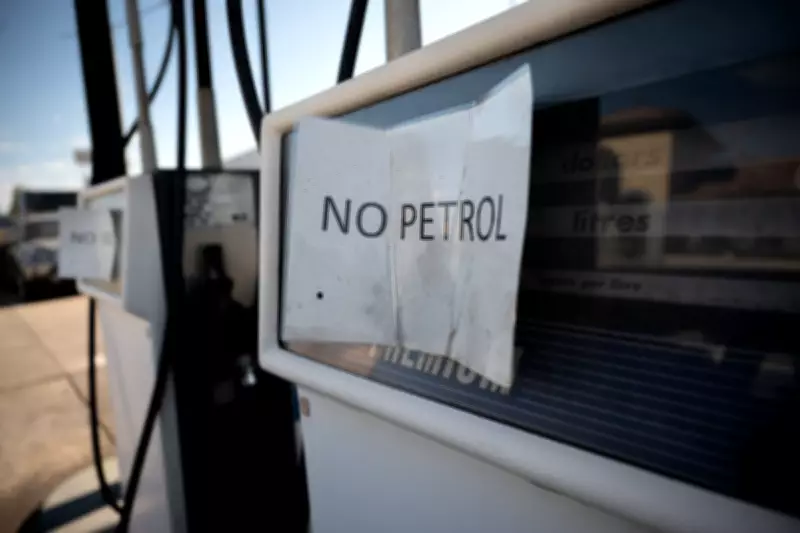
Australian Fuel Crisis: Panic Buying Leaves Dozens of Stations Dry
In a dramatic turn of events, dozens of petrol stations across Australia have been forced to close their pumps after running out of fuel, as a wave of panic buying sweeps the nation. This crisis has left motorists stranded and businesses scrambling, with no immediate resolution in sight.
Widespread Disruption and Supply Chain Strain
The fuel shortage has hit multiple regions, from urban centers to rural areas, exacerbating existing supply chain issues. Reports indicate that long queues and empty forecourts have become a common sight, with some stations posting signs to alert customers of the depletion. The situation has been fueled by fears of further shortages, leading to a vicious cycle of hoarding and depletion.
Industry experts warn that this panic buying is unsustainable and could lead to more severe disruptions if not addressed promptly. The Australian government has been urged to intervene, but so far, responses have been limited to monitoring the situation closely.

Impact on Daily Life and Economy
The fuel crisis is having a ripple effect across various sectors. Commuters are facing increased travel times and costs, while delivery services and logistics companies report delays that threaten to disrupt the broader economy. Small businesses, in particular, are feeling the pinch, as fuel-dependent operations grind to a halt.
This incident underscores the fragility of Australia's fuel infrastructure and the need for more robust contingency plans. Similar episodes in the past have highlighted vulnerabilities, but lessons appear to have gone unheeded.
Looking Ahead: Potential Solutions and Challenges
As authorities grapple with the crisis, potential solutions include increasing fuel imports, rationing supplies, and launching public awareness campaigns to curb panic buying. However, these measures face significant challenges, such as logistical hurdles and public compliance issues.
- Immediate steps to replenish stocks at affected stations.
- Long-term strategies to diversify fuel sources and enhance storage capacity.
- Collaboration between government and industry to prevent future occurrences.
The coming days will be critical in determining whether Australia can stabilize its fuel supply and restore normalcy. For now, the nation remains on edge, with many hoping for a swift resolution to this escalating problem.