Asia's Fuel Crisis: A Day in the Life from Farms to Cities
Across Asia, the oil crisis sparked by the Iran war is sending shockwaves through daily life, from remote farms to bustling urban centers. This unfolding drama highlights how rising fuel costs are squeezing budgets, altering commutes, and threatening livelihoods.
4:30 AM: Kaipara, New Zealand
James Brady, a dairy farmer north of Auckland, begins his day at 4:30 AM, tending to 200 cows. Diesel and petrol are essential for his tractors and quad bikes, with monthly usage at 900 liters of diesel and 200-300 liters of petrol. Fuel prices have surged, adding NZ$1,252 monthly to his costs. "Diesel is up $1.03 per liter and petrol up 33c per liter," he notes. Contractors and fertilizer costs have also risen by 40%, creating a cascade of financial pressure. As a farmer, Brady has no one to pass these costs onto, forcing delays in farm investments and maintenance.
10:00 AM: Port Vila, Vanuatu
Daniel Thomas, a bus driver, navigates Port Vila's streets from 6 AM to 9 PM, earning about A$120 daily. With fuel prices set to increase, his take-home pay could drop to A$70, barely covering loans and expenses. Air conditioning in 30°C heat further drains fuel. "The only option will be to hike fares," he says, acknowledging passenger discontent. Many drivers face loan defaults, putting them in a precarious position.

10:30 AM: Sejong, South Korea
Kim Hooin, a public service worker, now commutes by bus due to mandatory vehicle restrictions and soaring fuel costs. His 40-minute bus ride replaces a 25-minute drive, part of a government energy-saving campaign. Measures include shorter showers and weekend laundry, promoting collective frugality. Kim reflects on past crises, like the 1997 IMF crisis, expressing confidence in national resilience through government-citizen cooperation.
12:00 PM: Surin Province, Thailand
Teerayut Ruenrerng, owner of a mobile grocery truck, struggles to find diesel, often limited to small fuel amounts at gas stations. "It's very hard to find diesel, and everything has become more expensive," he explains. Market prices for produce and packaging have surged, cutting profits by up to 20%. He has reluctantly raised prices, fearing business closure without support, compounded by regional conflicts.
3:00 PM: Kita Senju, Tokyo
Koichi Matsumoto, a third-generation sento bathhouse owner, faces rising gas costs after switching from oil five years ago. With fixed bathing fees set by the Tokyo government, he cannot offset expenses. Aging facilities and declining patronage add to the challenges. He anticipates further gas price hikes, forcing many sento to consider closure despite subsidies.
4:00 PM: Bondi, Sydney
Belinda Morgan, an interior designer, fears the crisis will dampen renovation demand, impacting her and her husband's construction work. "We're pretty scared to be honest," she admits, applying for remote AI jobs and boosting marketing efforts. Family cost-cutting includes reconsidering car trips, like driving to swimming lessons, to conserve fuel and money.
7:00 PM: Delhi, India
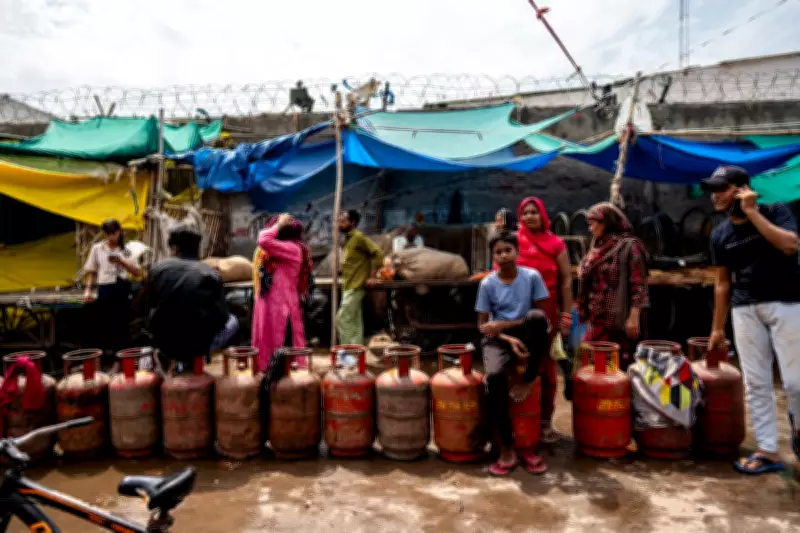
Rajesh Singh, an Amazon warehouse worker, rations gas for cooking, eating just one meal daily to save resources. Fuel and rent increases have pushed him into debt, with a chapati price jump from 10 to 12 rupees symbolizing broader inflation. Dizziness from hunger and heat at work is common, with many co-workers returning home. He plans to leave if conditions don't improve in two weeks.
10:30 PM: Beijing, China
Cui Xinming, a taxi driver, queued for fuel ahead of a March price hike, driving up to 12 hours daily. While concerned about the Iran war's impact, he trusts government regulation to mitigate effects. "China will never face a big energy crisis," he asserts, citing large oil reserves and clean energy shifts. He envisions a future without petrol taxis, possibly quitting driving to become a content creator or traveler.
This snapshot reveals how the fuel crisis transcends borders, affecting diverse sectors and prompting adaptations, from policy changes to personal sacrifices, across Asia.