Aramco Issues Dire Warning Over Strait of Hormuz Blockade
Saudi Arabia's state-owned oil behemoth Aramco has issued a stark warning about potential "catastrophic consequences" for global oil markets if the ongoing US-Israeli conflict with Iran continues to block shipping through the strategically vital Strait of Hormuz. The world's largest oil company finds itself at the center of what it describes as the most significant crisis ever faced by the Middle East's petroleum industry.
The Scale of the Disruption
For eleven consecutive days, oil shipments from the Middle East have been effectively blocked from traversing the narrow waterway following US military strikes against Iran. This unprecedented blockade has removed approximately 20 million barrels of oil from daily global markets, creating severe supply constraints and sending shockwaves through the international energy sector.
Aramco Chief Executive Amin Nasser emphasized the gravity of the situation, stating: "While we have faced disruptions in the past, this one by far is the biggest crisis the region's oil and gas industry has faced." The company's leadership has expressed deep concern about the potential for "drastic" consequences for the world economy should the disruption persist.

Aramco's Emergency Response Strategy
Despite the stranglehold on this critical trade artery, Aramco has developed contingency plans to maintain approximately 70% of its usual crude exports. The company intends to reroute shipments through the east-west pipeline to the Red Sea port of Yanbu, where cargoes can be loaded for international buyers.
The petroleum giant plans to accelerate shipments through this alternative pipeline system, aiming to reach its full capacity of 7 million barrels per day within the coming days. Of this total volume, about 2 million barrels daily will be directed to Saudi Arabia's western refineries, leaving 5 million barrels available for the global crude market.
Historic Disruption to Global Shipping
Typically, around 100 tankers navigate the Strait of Hormuz each day, transporting approximately one-fifth of the world's oil and liquefied natural gas through this narrow channel south of Iran. However, following threats from Iran's Islamic Revolutionary Guard Corps to "set ablaze" any vessel using the trade route, traffic has dwindled to single digits.
Aramco has been unable to ship crude cargoes directly from the Gulf due to the blockade but is currently meeting most customer demands by utilizing crude held in storage facilities located outside the Gulf region. Nasser cautioned that these emergency reserves "could not be used for an extended period of time, but for the time being, we are capitalizing on it."
Global Economic Implications
The disruption has already triggered significant price volatility in global oil markets, with prices surging to $119 per barrel this week—the highest level since Russia's invasion of Ukraine in 2022. Brent crude was trading at approximately $91 on Tuesday, reflecting ongoing market uncertainty.
Nasser warned that "there would be catastrophic consequences for the world's oil markets, and the longer the disruption goes on ... the more drastic the consequences for the global economy." This assessment comes as G7 finance ministers convened on Monday to discuss potential releases from emergency crude stockpiles maintained by governments worldwide, though no agreement was reached to implement such measures.
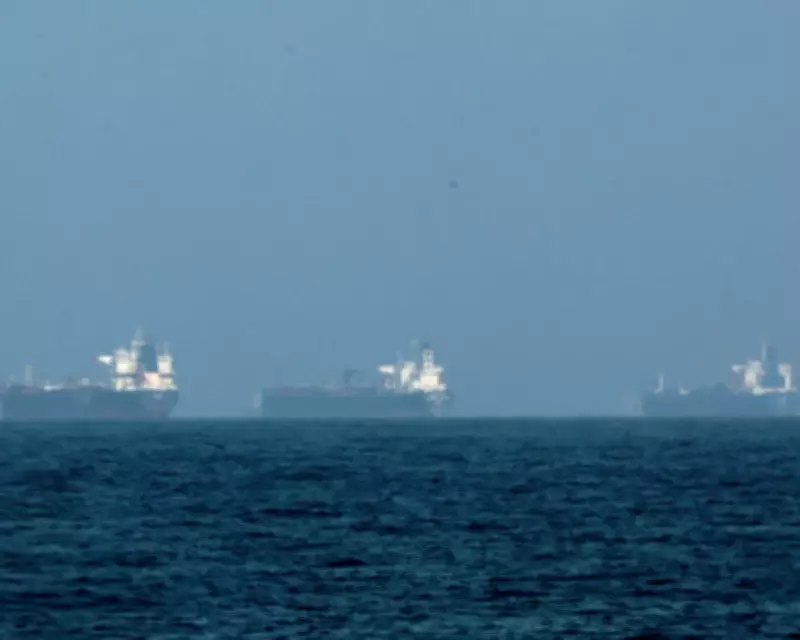
The current situation represents only the sixth occasion in market history where such emergency stock releases have been seriously considered, underscoring the exceptional nature of this supply crisis. As tankers remain idled off the coast of Fujairah in the United Arab Emirates, the global energy industry watches anxiously for any resolution to the geopolitical tensions blocking this crucial maritime corridor.