Emergency £53m Support Package for Vulnerable Heating Oil Households Announced
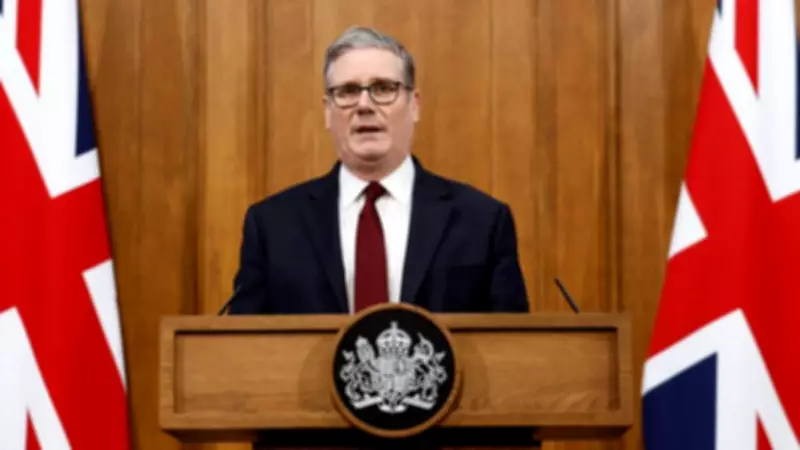
Prime Minister Sir Keir Starmer has announced an immediate £53 million support package for vulnerable households relying on heating oil, as prices soar following recent military strikes in Iran. The funding is specifically targeted at low-income families in rural communities who depend on heating oil for their energy needs.
Market Regulation and Legal Action Promised
Sir Keir issued a stern warning to heating oil companies, stating that if any are found to be breaking the law, "there will be legal action." He emphasized his government's commitment to better regulating the market but stressed that immediate support was necessary. "But we won't just wait for that," the Prime Minister declared. "I'm announcing immediate support for vulnerable heating oil customers today, providing £53m for those households that are most exposed."
Geographic Distribution of Funding
The £53 million fund will be distributed across the United Kingdom as follows:

- England: £27 million
- Northern Ireland: £17 million
- Scotland: £4.6 million
- Wales: £3.8 million
This allocation reflects the disproportionate impact on Northern Ireland, where nearly two-thirds of homes use heating oil compared to just 6% of UK homes overall.
Root Causes of the Price Crisis
The current crisis stems from military actions that began on February 28th, when the United States and Israel carried out strikes on Iran. In response, Tehran has cut off the crucial Strait of Hormuz, through which more than 20% of the world's oil must pass. This disruption has caused global oil prices to skyrocket.
On Monday, crude oil prices remained above $100 per barrel, a dramatic increase from the $71 per barrel price before the conflict began. While mains gas and electricity are protected by an energy price cap guaranteed until the end of June, heating oil—which uses kerosene—falls outside Ofgem's regulatory remit.
Consumer Impact and Government Response
Reports from affected households indicate that heating oil costs have already doubled for some customers, while others have experienced suppliers cancelling orders and then significantly increasing prices. Sir Keir expressed his determination to address these issues, stating he is "absolutely determined to clamp down on anybody who may think of ripping others off in a situation like this."
Regarding future energy price measures, the Prime Minister remained cautious, telling Sky News political editor Beth Rigby: "We're not ruling anything out, but it is very difficult to say at this juncture what the position will be in July, which is when the current energy cap runs out, or what the position will be in September."
Diplomatic Approach to Regional Conflict
Sir Keir defended his government's approach to the Iran conflict, emphasizing a focus on de-escalation rather than military escalation. "While taking the necessary action to defend ourselves and our allies, we will not be drawn into the wider war," he stated. The Prime Minister outlined his priorities as reopening the Strait of Hormuz and "trying to find a way to limit the impact" of the conflict on global energy markets.
He reaffirmed the UK's commitment to protecting "our people in the region" and working toward a "swift resolution that brings security and stability back to the region and stops the Iranian threat to its neighbours." The government's immediate focus remains on providing relief to vulnerable households while addressing the underlying causes of the energy price crisis.