
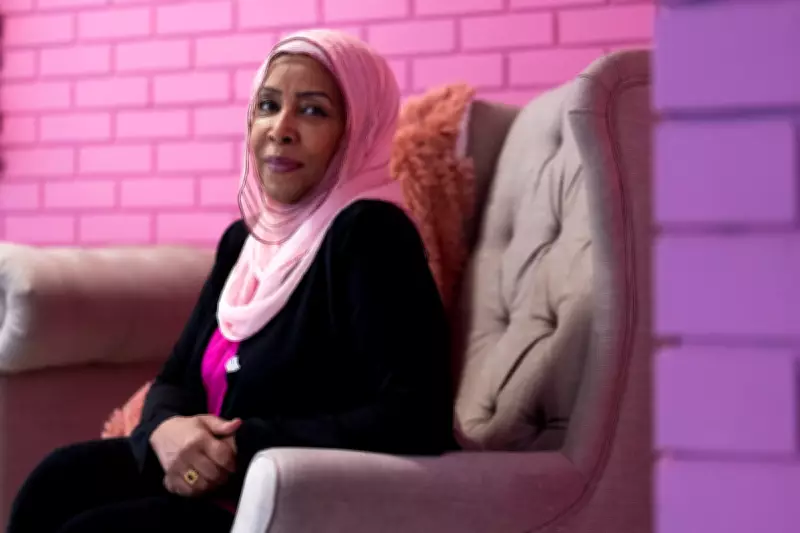
Samia Baho's Lifeline for Migrant Women in Melbourne's West
In the bustling suburb of Sunshine, located in Melbourne's western region, Samia Baho operates a vital sanctuary for refugee and migrant women. Her phone rings constantly with calls from those seeking assistance with everything from escaping domestic violence situations to developing essential financial skills. "Everybody knows my number," Baho states simply, highlighting her role as a trusted community pillar.
From Refugee to Community Leader
Baho arrived in Australia as an 18-year-old refugee from Eritrea during the 1970s. Fluent in four languages—Tigrinya, Tigre, Arabic, and English—she initially worked as an interpreter for immigration authorities, meeting African migrants at airports and helping them settle into their new country. This experience forged lasting relationships and revealed systemic gaps in support services.
After pursuing studies in social work and sexual health, and working with multicultural health and domestic violence organizations, Baho founded the Centre of Advancing Women in 2020. What began as a service focused on African diaspora women quickly expanded through word-of-mouth to assist women from diverse migrant backgrounds and second-generation Australians.
Employment as Empowerment
At the heart of Baho's grassroots organization lies a fundamental belief: employment represents one of the most powerful tools for women's empowerment. Raised by a single mother herself, Baho understands the transformative impact of financial independence.
The centre operates Morning Mix cafe, which includes a beauty salon upstairs, providing women with practical customer service experience. "This place is also a drop-in," Baho explains. "Every one of us will come and we whinge about what's happening in our life, and we learn from each other."
Breaking Down Barriers
Through her community work, Baho identified significant employment obstacles facing migrant and refugee women, including:
- Limited financial resources
- Language barriers
- Systemic racism
- Difficulty accessing mainstream education and training
In response, the centre developed a specialized training and employment pathways program that has supported 27 women, predominantly single mothers experiencing domestic violence, with an impressive 80% transitioning to paid employment.
Critical Support During Crises
The Covid-19 pandemic revealed the centre's essential role in the community. Baho received an influx of calls from migrant women experiencing domestic violence and struggling to access pandemic information in their native languages. She personally delivered food to families, including those confined to public housing towers during lockdowns.
Years after the pandemic, women continue turning to the centre after being turned away from mainstream domestic violence services for not meeting "serious risk" assessment criteria. "Often they have knocked on the door of five other services before they arrive at the centre," Baho notes.
Personal Transformations
The centre's impact manifests in individual stories of transformation. One 23-year-old domestic violence survivor, who requested anonymity for safety reasons, found herself pregnant and sleeping in her car with her puppy after crisis accommodation rejected her for not meeting urgent risk thresholds.
After calling numerous services, she reached Baho at 3am. "She said 'Come to the centre. I'll help you out,'" the woman recalls. "She helped me with food, accommodation, and moral and emotional support." As a Muslim woman unable to share her pregnancy with family, this support proved life-changing. "She treated me like her own child—literally. It just gave me that safety."
Sustaining Community Impact
Despite receiving no ongoing funding, the centre operates with approximately 30 dedicated volunteers. Salma Warsame, who assists with grant writing and communications, emphasizes the organization's unique value: "Not many spaces like this exist for us. A lot of the times, people find it hard to navigate this system in Australia because it's unfamiliar."
Baho reflects on her journey with characteristic humility and determination: "When you've been the one that build that initial contact, you always be proud of what to do, but also you feel responsible." Her centre continues proving that employment opportunities combined with comprehensive support can fundamentally transform lives, creating pathways to independence for some of Melbourne's most vulnerable women.




