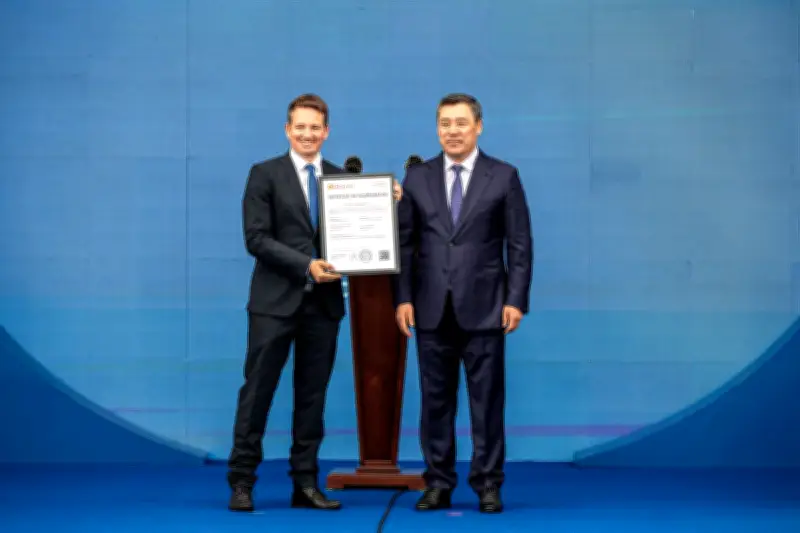
The Kyrgyz government has officially launched a Special Financial Investment Territory (SFIT) in the village of Tamchy, located on the northern shore of Lake Issyk-Kul. This initiative is designed to attract both domestic and foreign investors by offering a range of tax breaks and simplified regulatory procedures.
Key Features of the SFIT
The SFIT in Tamchy provides investors with a preferential tax regime, including a 0% corporate income tax rate for the first 10 years and a reduced rate thereafter. Additionally, investors will benefit from exemptions on customs duties, value-added tax (VAT), and property tax for the duration of the investment period. The territory also offers streamlined registration and licensing processes, aiming to reduce bureaucratic hurdles.
Expected Economic Impact
According to the Kyrgyz Ministry of Economy, the SFIT is expected to attract over $500 million in investments within the first five years. The initiative aims to create approximately 10,000 new jobs, primarily in the tourism, agriculture, and manufacturing sectors. The government projects that the territory will contribute significantly to the country's GDP growth, targeting a 2% increase annually.
Government Statements
Prime Minister Akylbek Japarov stated, "The launch of the Special Financial Investment Territory in Tamchy marks a new chapter in our economic development. We are committed to creating a favorable environment for investors, which will drive innovation and prosperity for our people." The government has also established a dedicated one-stop-shop service center in Tamchy to assist investors with all administrative procedures.
Comparison with Other Investment Zones
The Tamchy SFIT is modeled after successful special economic zones in the region, such as the Astana International Financial Centre in Kazakhstan and the Dubai International Financial Centre. However, it offers more generous tax incentives and a focus on sustainable development, aligning with the country's long-term economic strategy.
Challenges and Outlook
Despite the promising prospects, challenges remain, including infrastructure development and ensuring transparent governance. The government has pledged to invest in upgrading roads, utilities, and digital connectivity in the area. International observers have welcomed the initiative but caution that consistent enforcement of regulations and anti-corruption measures will be crucial for its success.