RBA's Controversial Rate Hike Decision Reveals Deep Board Divisions
The Reserve Bank of Australia's decision to raise interest rates on Tuesday has ignited intense debate across financial markets and households alike. While many anticipated the move, the split nature of the monetary policy board's vote - with five members favoring the hike and four preferring to maintain current rates - underscores the contentious nature of this economic intervention.
The Inflation Conundrum and Global Uncertainties
RBA Deputy Governor Andrew Hauser recently emphasized in a podcast that "we have a problem with inflation. It's too high," while simultaneously acknowledging uncertainty about the path forward for interest rates given the complex global economic backdrop. This nuanced perspective appears to have been overshadowed by more alarmist interpretations of recent economic data.
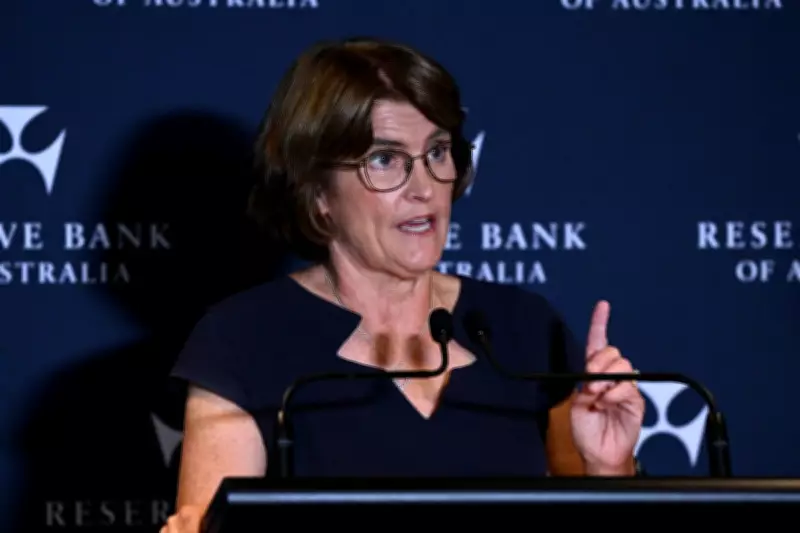
Governor Michele Bullock made clear during her post-decision press conference that rising petrol prices, driven by Middle East conflicts and potential price-gouging by fuel companies, were "not the reason for today's decision." This clarification comes amid widespread public concern about escalating living costs affecting Australian households.
Economic Mechanics Behind the Rate Increase
The RBA's consistent position in recent months has centered on the fundamental imbalance between demand and supply capacity within the Australian economy. As outlined in February's statement, the central bank believes "demand exceeds the economy's supply capacity," meaning production capabilities cannot keep pace with consumer and business spending.
Since expanding an economy's supply capacity requires time-consuming investments and workforce development - particularly challenging with current low unemployment rates - the RBA views interest rate adjustments as its primary tool for moderating demand. However, this approach raises questions about whether consumers and businesses genuinely require such restraint.
Consumer Impact and Economic Consequences
Monetary policy operates with significant time lags, meaning current decisions primarily address projected economic conditions rather than immediate circumstances. This temporal disconnect creates challenges for both policymakers and affected households.
Governor Bullock acknowledged the hardship facing many Australians, stating "I do understand it's going to be tough for some people." This admission comes against a backdrop where inflation has outpaced wages by approximately five percentage points cumulatively between mid-2021 and December 2025, representing 22.7% versus 17.5% growth respectively.
The combined effect of February and March rate increases, coupled with speculation about future hikes, rising petrol prices, and Middle East geopolitical tensions, has already dampened consumer confidence. December and January data reveal plummeting consumer sentiment and subdued spending patterns following earlier Black Friday and Cyber Monday sales spikes.
Mitigating Factors and Future Considerations
Some positive elements exist within this challenging economic landscape. Many borrowers have made additional mortgage repayments since last year's rate cuts, potentially cushioning the impact of recent increases. Household savings accumulation could also help offset higher rates and prices, though psychological barriers may prevent consumers from tapping these reserves.
A critical unknown remains the federal government's upcoming May budget response. Through restrained spending, the government could potentially assist the RBA in managing economic pressures. Additionally, the duration of Middle East conflicts and resulting oil price volatility creates substantial uncertainty for all economic policymakers.
Expert Perspectives and Policy Recommendations
Economic analysts question whether Tuesday's decision represents optimal timing, suggesting a more cautious approach might have been warranted. Given the massive geopolitical uncertainties and growth risks, many experts advocate for greater restraint from the RBA board itself, mirroring the expectations placed on Australian households.
The fundamental tension between encouraging business investment to enhance productive capacity while simultaneously restraining consumer demand creates complex policy challenges. As the RBA navigates these competing priorities, the coming months will reveal whether this controversial rate increase represents prudent economic management or premature intervention in an already strained economic environment.