Global Recession Fears Intensify as Oil Prices Surge Amid Iran Conflict
Financial markets have experienced a sharp decline, while oil prices have surged dramatically as the Iran War enters its fourth week. There are growing concerns that this escalating conflict could potentially trigger a global recession, with Brent crude increasing by 1% to nearly 114 US dollars per barrel.
Iran's Threats and Market Reactions
This price surge follows Iran's warning that it would strike electrical plants across the Middle East if US President Donald Trump orders bombings of power stations within the Islamic Republic. The geopolitical tension has created significant volatility in global energy markets, with Brent crude oil currently trading at approximately $98.2 per barrel. This represents a staggering increase of more than 30% compared to pre-conflict levels at the end of February.
BlackRock's Dire Warning
Larry Fink, the chief executive of investment giant BlackRock, has issued a stark warning to the BBC. He cautioned that if oil prices surge to $150 per barrel, this would almost certainly trigger a global recession. Fink emphasized that without a resolution to the conflict, the world could face "years" of elevated oil prices and what he described as a "stark and steep recession."
"Rising energy prices are a very regressive tax. It affects the poor more than the wealthy," Fink stated, highlighting the disproportionate impact on vulnerable populations.
Economic Experts Weigh In
Thomas Sampson, associate professor of Economics at the London School of Economics, offered a more measured perspective while acknowledging the serious risks. He told Metro that while a recession remains possible, its likelihood depends heavily on the severity and duration of the oil price shock.
"I don't think the impact so far is large enough to lead to a recession, but there is still a lot of uncertainty over what comes next," Sampson explained, emphasizing the unpredictable nature of the current geopolitical situation.
Impact on the United Kingdom
The potential consequences for the UK economy are particularly concerning. Morgan Stanley has warned that sustained high energy prices resulting from the conflict could drive up interest rates and significantly strain household budgets across Britain. Bruna Skarica, an economist at Morgan Stanley, told the Guardian that sustained financial conditions and commodity prices could lead to a pronounced UK recession by year's end.
UK inflation remained around 3% throughout February, but investment experts caution that rising oil prices could push inflation to nearly double the Bank of England's 2% target by the end of the year. The disruption extends beyond oil markets, with weeks of intensifying attacks in the Middle East, energy production disruptions, and shipping delays in the strategically vital Strait of Hormuz all likely to have significant global economic repercussions.
Direct Effects on UK Consumers
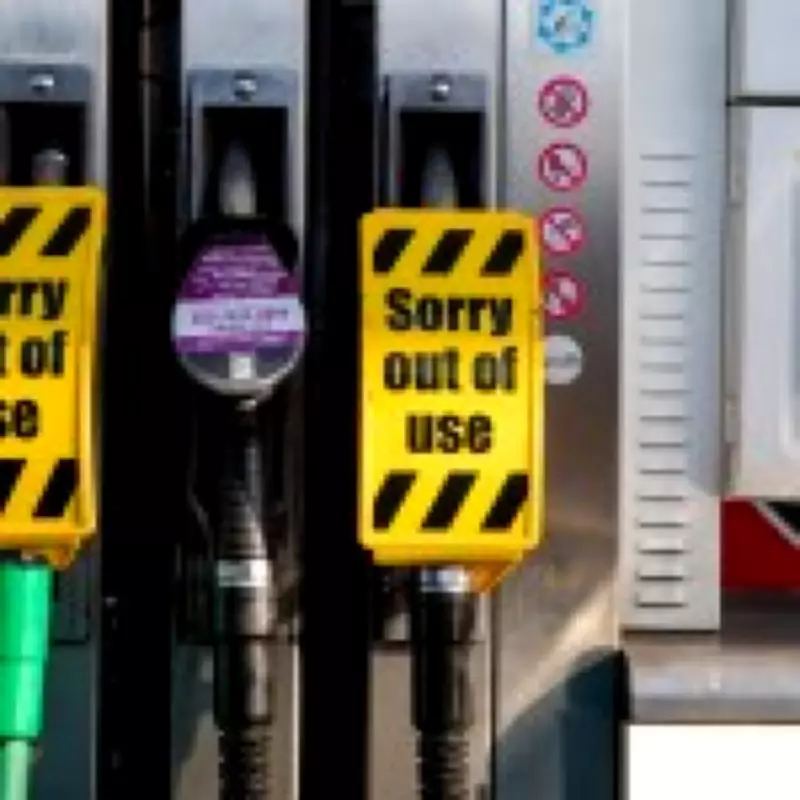
British drivers are already feeling the impact at petrol stations. The average price of a litre of petrol at UK forecourts has risen from 132.9p on February 27 to 146.4p recently, while diesel prices have surged even more dramatically from 142.4p to 169.8p over the same period. These increases are expected to appear in official inflation data for March.
The significant rise in gas prices is also poised to affect energy costs for UK households and businesses. While the household energy price cap for April is already fixed and will result in a temporary decrease in bills, higher wholesale prices are expected to feed into the next pricing period beginning in July.
Energy consultancy Cornwall Insight has revised its forecast upward, predicting the next price cap could reach £1,973 annually for a typical dual fuel household. This represents an increase of £332, or 20%, compared to April's cap, further squeezing household budgets already under pressure from multiple economic challenges.