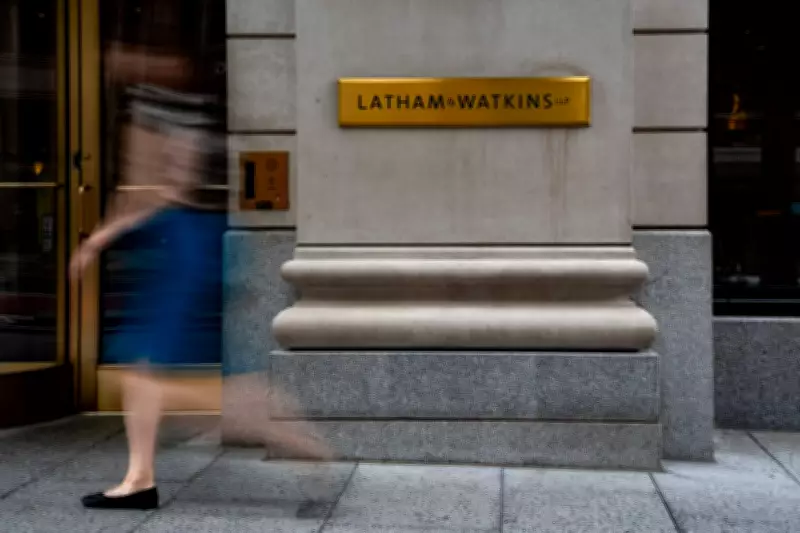
The ongoing conflict in the Middle East is casting a shadow over global financial markets, with a senior figure at Latham & Watkins warning that deals will struggle to come to market if the situation continues. The London managing partner of the US law firm said that the instability is creating uncertainty that is deterring investors and companies from pursuing initial public offerings and mergers and acquisitions.
Impact on London's Financial Hub
London, as a major financial center, is particularly vulnerable to geopolitical shocks. The city boss emphasized that the prolonged conflict could lead to a significant slowdown in dealmaking activity, affecting not only the legal sector but also investment banks, private equity firms, and other financial institutions. The warning comes amid a broader downturn in global M&A and IPO volumes, which have already been impacted by rising interest rates and inflationary pressures.
Uncertainty Deters Investors
The uncertainty surrounding the Middle East conflict is making it difficult for companies to value assets and for investors to commit capital. The Latham boss noted that many clients are adopting a wait-and-see approach, postponing major transactions until there is greater clarity on the geopolitical landscape. This hesitancy is particularly pronounced in sectors such as energy, defense, and technology, which are directly affected by the conflict.
Furthermore, the conflict is exacerbating existing supply chain disruptions and energy price volatility, adding another layer of complexity to dealmaking. Companies are finding it challenging to forecast future cash flows and assess risks, making it harder to agree on terms for transactions.
Historical Context and Future Outlook
Historical precedents suggest that prolonged geopolitical tensions can have a lasting impact on financial markets. The Latham boss drew parallels to previous conflicts in the region, which led to extended periods of reduced deal activity. However, he also expressed cautious optimism, noting that once the conflict de-escalates, there could be a pent-up demand for deals that would drive a rapid recovery.
In the meantime, law firms and financial advisors are advising clients to focus on strategic planning and due diligence, preparing for a potential rebound in activity. The Latham boss urged market participants to remain vigilant and adaptable, as the situation remains fluid.
Overall, the message is clear: the Middle East conflict poses a significant risk to the dealmaking environment, and its resolution is critical for the health of London's financial markets.