Middle East Conflict Triggers Global Economic Alarm as Energy Prices Soar
The escalating conflict in the Middle East has sent shockwaves through global markets, with petrol prices climbing sharply as oil and gas costs surge. This development poses a significant threat to a fragile worldwide economic recovery that was anticipated to strengthen this year.
Central bankers and economists are raising alarms that a prolonged war could drive up retail prices internationally and force a complete overhaul of growth projections for 2024.
IMF Warns of Economic Slowdown
Kristalina Georgieva, Managing Director of the International Monetary Fund, highlighted the risks on Friday. She stated that a sustained 10% increase in energy prices could elevate global inflation by 40 basis points and reduce economic growth by 0.1-0.2%. "The world economy has been remarkably resilient. Shock after shock, and yet growth is at 3.3%," Georgieva remarked in an interview with Bloomberg.
Some analysts argue that the spike in energy and transport costs, while burdensome for households and businesses, might be overshadowed by broader financial instability. The bombing of Iran by the US and Israel could unsettle markets already grappling with concerns over AI stock valuations and US import tariffs.
Geopolitical Shifts and Supply Chain Disruptions
Lord Jim O'Neill, former chief economist at Goldman Sachs Asset Management, noted the precarious global context. "It's not like this war has started with the world in a settled place," he observed. Retaliatory attacks by Iran on countries like Kuwait, Dubai, Saudi Arabia, and Azerbaijan could realign global alliances, potentially disadvantaging Western interests.
O'Neill suggested that Gulf states might view the US as an unreliable partner, shifting their focus toward China, India, and Brazil. This realignment could exacerbate tensions and further disrupt economic stability.
Oil Prices and Inflation Projections
Approximately 20% of global oil supply traverses the Strait of Hormuz, a critical chokepoint. Bloomberg Economics estimates that a 1% reduction in supply could increase oil prices by about 4%. A prolonged closure of the strait might push prices to around $108 per barrel, an 80% rise from pre-conflict levels.
Oxford Economics predicts that UK and eurozone inflation could be 0.5 to 0.6 percentage points higher than earlier forecasts by year-end. In January, UK inflation stood at 3%, while the eurozone recorded 1.9% in February.
Economic Growth Under Pressure
In the US, economic growth forecasts remain at 2.2% for the year, as gains for fracking companies offset higher energy costs. However, consumers are already feeling the pinch, with Brent crude prices up 17%, leading to a 15-cent-per-gallon increase at US pumps since last Saturday, according to GasBuddy.
Long-term supply chain disruptions are likely to elevate costs further, compounding existing frustrations over living expenses. This issue has become a political flashpoint ahead of upcoming elections in both the UK and US.
Impact on UK and European Economies
The National Institute of Economic and Social Research warns that persistent conflict could reduce UK and euro area growth by 0.2% this year. In the UK, GDP growth might fall from 1.1% to 0.9%, while the euro area could see a drop from 1.2% to 1%.
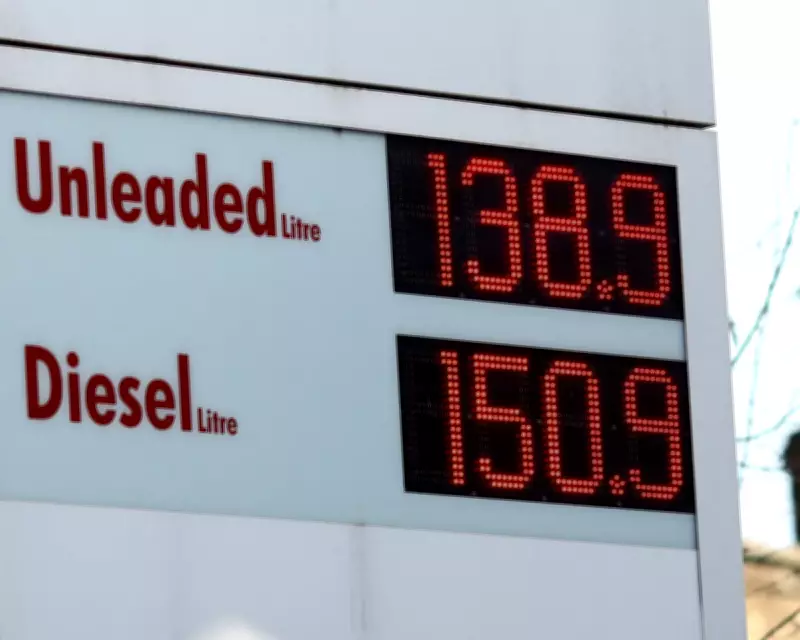
Fuel prices in the UK have risen significantly, with diesel up 5p to 147p per litre and petrol up 3p to 136p on average, according to the RAC. This adds pressure to households already struggling with rising essential costs.
Central Bank Dilemmas and Interest Rate Uncertainty
European Central Bank policymakers, including Vice-President Luis de Guindos, caution that prolonged conflict could increase eurozone inflation and dampen growth. "The baseline is that this is going to be short-lived. If it is longer, then there is a risk that inflation expectations will change," de Guindos stated.
In the UK, Bank of England rate-setter Alan Taylor advocates against raising interest rates to combat imported energy price shocks, fearing higher borrowing costs could worsen economic conditions. However, many central bankers, reflecting on past delays during the Ukraine war, believe quicker action might be necessary.
Michael Saunders of Oxford Economics anticipates the Bank of England will maintain rates at 3.75% if the conflict continues, a shift from earlier expectations of cuts to 3.25%. UK mortgage lenders have already begun increasing home loan rates, further straining household finances.
As global tensions escalate, the interplay between energy prices, inflation, and monetary policy remains a critical concern for economies worldwide, threatening to derail recovery efforts and intensify financial hardships for millions.