The ongoing conflict in the Middle East is triggering significant global food inflation, with rising fuel, fertilizer, and electricity prices driving up costs across the entire food supply chain. According to a recent United Nations report, food commodity prices increased by 2.4% in March, marking the second consecutive monthly rise after five months of decline.
Sharp Increases in Key Commodities
The UN Food and Agriculture Organization's comprehensive index, which monitors grain, sugar, meat, dairy, and vegetable oil costs, revealed particularly dramatic spikes in vegetable oil and sugar prices. These essential commodities surged by 5% and 7% respectively during March, reflecting the immediate impact of geopolitical tensions on global markets.
Energy Costs and Supply Chain Disruptions
The conflict has effectively closed the strategic Strait of Hormuz, a vital shipping channel through which approximately one-third of global fertilizer production travels. This blockade has created severe bottlenecks in agricultural supply chains, compounding existing pressures from elevated energy prices that affect food transportation, processing, and preparation.
UN projections indicate that if the crisis persists, global food prices could average 15% to 20% higher during the first half of 2026. The report specifically notes that "price indices across all commodity groups rose to varying degrees, reflecting not only underlying market fundamentals but also responses to higher energy prices linked to the conflict escalation."
Global Agricultural Impacts
Global wheat prices rose by 4.3% in March, driven by multiple factors including deteriorating crop conditions and drought concerns in the United States, along with reduced planting in Australia due to higher fertilizer costs. These negative trends were partially offset by improved crop conditions in Europe and strong export competition among producing nations.
UK-Specific Consequences
In the United Kingdom, the Food and Drink Federation, representing 12,000 manufacturers, has revised its inflation forecast dramatically. The organization now predicts food prices will rise by at least 9% by the end of 2026, nearly triple the 3.2% forecast made before the Middle East conflict escalated.
This revised projection assumes optimistic scenarios including the Strait of Hormuz reopening within weeks and major energy facilities returning to normal operations within a year—both outcomes that remain highly uncertain given current geopolitical realities.
Immediate Effects on British Agriculture
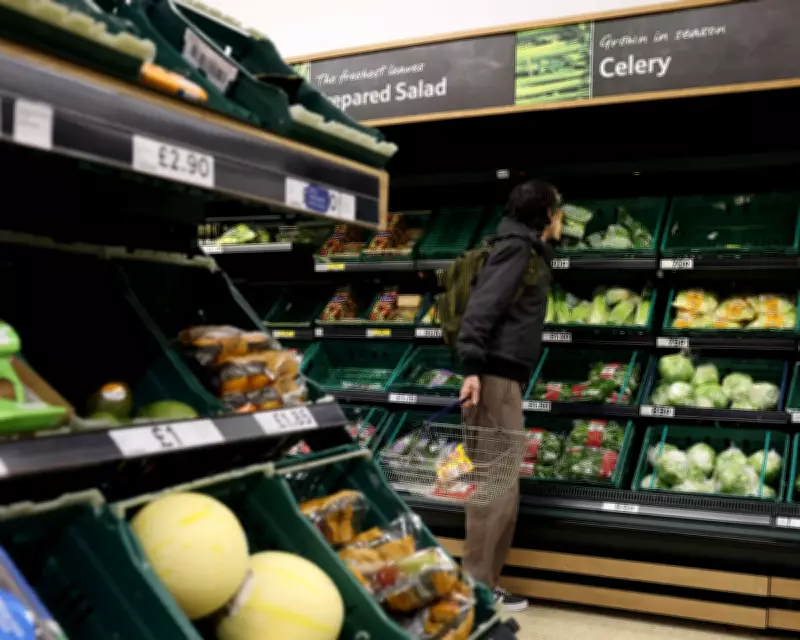
British farmers are already experiencing significant challenges, with producers of salad vegetables and dairy products reporting operational difficulties. The British Tomato Growers' Association has warned consumers to expect price increases for tomatoes, peppers, and cucumbers within the next six weeks as rising gas prices make heating glasshouses substantially more expensive.
Government and Industry Response
Chancellor Rachel Reeves recently convened meetings with major retailers including Tesco, Sainsbury's, Morrisons, Marks & Spencer, Aldi, and Lidl to discuss strategies for easing consumer cost-of-living pressures and strengthening vulnerable supply chains. Despite these efforts, businesses across the UK anticipate accelerating price increases in coming months.
A Bank of England survey of over 2,000 chief financial officers reveals that companies now expect to raise prices by an average of 3.7% over the coming year, up from 3.4% in February. Business leaders' inflation expectations for the broader economy have similarly increased from 3% to 3.5%, indicating widespread concern about persistent inflationary pressures.