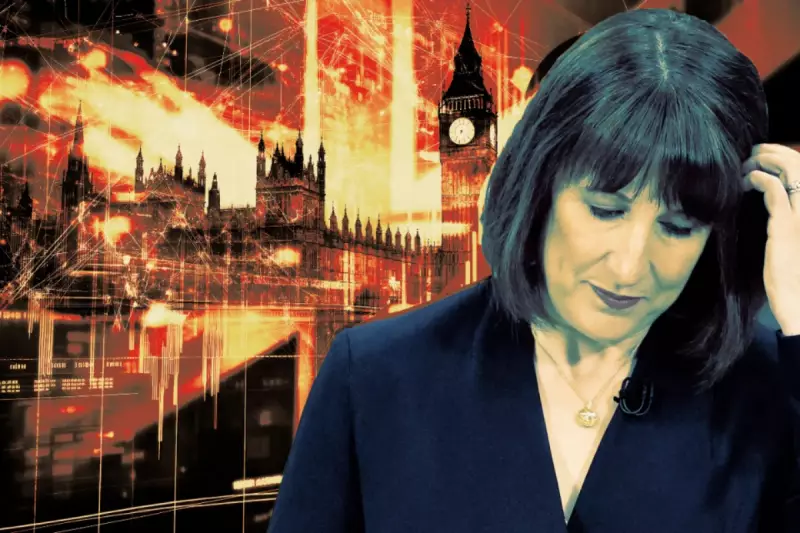
Public confidence in the UK's economic trajectory has plummeted, with a clear majority of Britons now convinced the nation's finances are deteriorating. This stark shift in mood presents a significant political challenge for Chancellor Rachel Reeves and the Labour government, which came to power pledging to restore stability.
Survey Reveals Deepening Pessimism
The latest Consumer Pulse survey from KPMG UK shows that nearly six in ten consumers believe the economy is on a downward spiral. This marks a major jump from the 43 per cent who held this view at the start of the year. The dampening outlook is having a direct impact on household budgets, with half of those surveyed stating they plan to cut back on discretionary spending.
Linda Ellett, KPMG UK's Head of Consumer, Retail and Leisure, warned that this cautious landscape is set to continue. "A landscape of consumers adjusting to higher household essential outgoings and spending caution due to perception of a worsening economy is set to continue into 2026," she said.
Inflation and Stagnant Growth Fuel Concerns
This negative sentiment persists despite the Bank of England implementing four separate interest rate cuts during the year, reducing rates by a full percentage point. Only around 15 per cent of respondents cited interest rates not falling fast enough as a primary concern.
The overwhelming drivers of economic gloom are more immediate: the cost of groceries (81 per cent) and household utilities (75 per cent). Inflation has remained stubbornly high throughout 2025, with a surprise December drop to 3.2 per cent still leaving it well above the Bank's two per cent target.
Ahead of the Chancellor's second Autumn Budget, the UK's largest supermarkets, including Tesco, Lidl and Morrisons, wrote to Rachel Reeves urging action. They warned that "high food inflation is likely to persist into 2026" due to industry costs.
Economic Stagnation Confirmed by Data
The public's pessimism is backed by recent official figures showing the economy stalling. Data from the Office for National Statistics (ONS) for October revealed:
- Production output shrank by 0.5 per cent.
- Construction contracted by 0.3 per cent.
- The crucial services sector, comprising over 80 per cent of the economy, showed zero growth.
This led to an overall 0.1 per cent contraction in October, against expectations of slight growth. Furthermore, the ONS later revised down the UK's second-quarter expansion to a sluggish 0.2 per cent, painting a clear picture of a slowing economy.
Economists are forecasting subdued growth ahead. Alex Kerr, UK Economist at Capital Economics, noted the economy slowed "significantly" in the second half of 2025 and doubts "2026 will be much better". His firm expects growth to fall from 1.4 per cent this year to just one per cent in 2026.
With consumers planning to tighten their belts, the path to economic recovery appears fraught. The challenge for the government is to convert its spending plans, including an extra £11bn revealed in the Budget, into tangible improvements that can reverse this tide of public opinion.