Americans Grapple With Mounting Financial Pressure as Iran Conflict Escalates
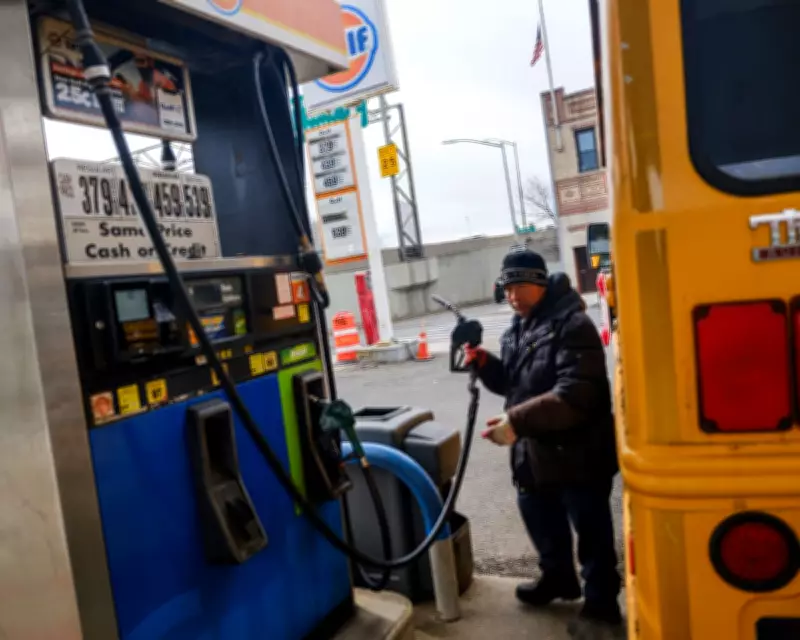
The ongoing military confrontation between the United States, Israel, and Iran has triggered significant economic repercussions across American households. Recent strikes and retaliatory actions, including Iran's closure of the strategic Strait of Hormuz, have disrupted global markets, leading to a sharp increase in everyday living expenses. Gasoline prices have surged approximately thirty percent nationally over the past month, while grocery costs, mortgage interest rates, and fertilizer prices have also climbed substantially.
Personal Stories Highlight Widespread Economic Hardship
Lore, a bank employee from Indianapolis, described how rising costs are altering his daily routines and long-term financial planning. "I'm driving less to save on fuel," he explained. "My 2012 Mazda is aging, and I'm holding onto it as long as possible because Indianapolis has inadequate public transit. I'm worried about affording another car repair, which could cost around $1,500 and severely impact my savings."
A librarian from Massachusetts shared that her husband has taken on additional delivery work to cope with escalating expenses. "Between soaring fuel prices, exorbitant rent, rising groceries, and other basic costs, we are drowning," she said. "He sometimes works twelve to fourteen-hour days, and despite two full-time incomes, we barely cover essentials. Retirement seems impossible; I'm concerned we won't make it through the next few years."
Energy and Housing Costs Compound Financial Stress
Elizabeth, an Indiana-based librarian, noted that energy bills are consuming a larger portion of her budget. "A tank of gas that once cost $30 is now nearly $45," she stated. "I'm postponing home repairs and keeping my house cold in winter due to high natural gas prices. When summer arrives and electricity bills spike, I'm unsure how I'll manage."
In New York, an elderly woman working multiple jobs described living "a very frugal existence." She said, "Money is extremely tight. My furnace broke in February, forcing me into a loan. There are no vacations, movies, or savings. Just meeting monthly obligations is a challenge, and I haven't paid last year's taxes yet. Retirement seems unattainable, and I worry about maintaining my house and healthcare costs."
Small Businesses and Healthcare Concerns Amplify Anxiety
The economic strain extends to small business owners. A Pennsylvania tattoo artist and father shut down his private studio after three years due to declining demand. "Tattoos are luxury items, and when money tightens, people get them less," he remarked. "Now I work in quick-service restaurants. It feels like everything is becoming more expensive, from groceries to gas, and I'm concerned about my retirement savings and potential military drafts for my sons."
Healthcare worries are also intensifying. A Michigan bread factory worker expressed fears about his health and safety. "I'm concerned my medication might stop working, causing seizures again," he said. "My walk to work is on a poorly lit country road with no sidewalk. If I collapse, there's a real risk I won't be seen. Any incident would mean increased medical bills, time off work, and a difficult recovery."
These accounts underscore the profound impact of geopolitical tensions on domestic economies, forcing many Americans to reassess their financial stability and future prospects amidst rising uncertainty.