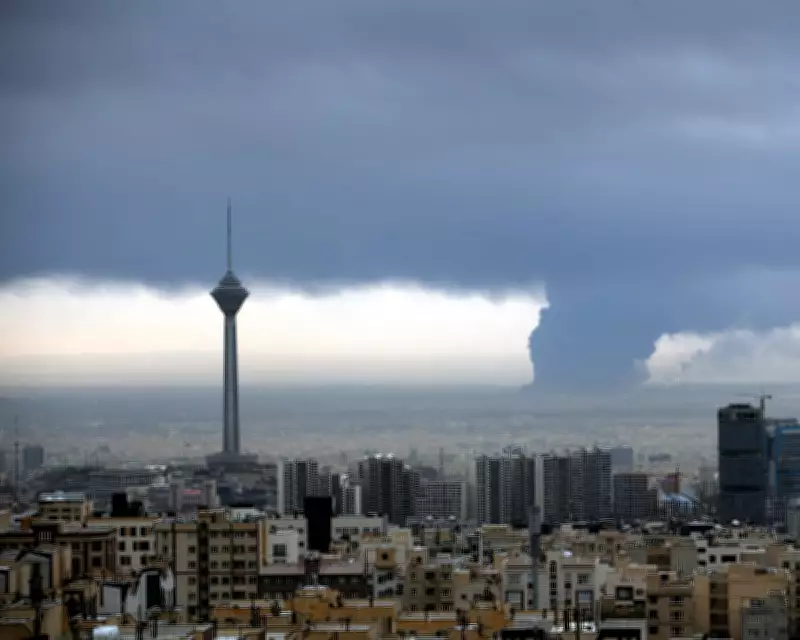
US-Israel Iran Bombing Triggers Oil Price Surge to Four-Year High
The recent military strikes by the United States and Israel against Iran have sent shockwaves through global energy markets, propelling oil prices to their highest level in four years. This dramatic escalation in the Middle East conflict has created immediate economic turbulence, with far-reaching implications for nations far beyond the region's borders.
Australian Inflation Fears Intensify Amid Energy Cost Spike
For Australia, the timing of this geopolitical crisis could not be worse. Resurgent inflation, already a pressing concern before the conflict erupted, now risks accelerating further due to the surge in energy costs. An elevated oil price acts as a major global inflation trigger, driving up expenses across virtually all goods and services within an economy.
This development forces central banks, including the Reserve Bank of Australia, to consider implementing interest rate hikes to contain inflationary pressures. If rates rise as anticipated, Australian voters will face a dual financial burden: increased mortgage repayments alongside elevated prices for essential items like fuel and food.
Political Conundrum for Albanese's Second Term
The economic fallout presents a significant problem for Prime Minister Anthony Albanese and his Labor government. While Donald Trump's re-election previously contributed to Albanese's landslide victory, the current US president's Middle East policy now threatens to derail the Australian leader's second-term agenda.
The government's fortunes appear increasingly tethered to Trump's foreign policy decisions. This creates awkward timing for Labor's upcoming May budget and broader reform plans, as the administration must pursue policy objectives while simultaneously battling intensifying cost-of-living pressures that anger the electorate.
Budgetary Constraints and Political Vulnerability
Labor has signaled intentions to reduce spending in the forthcoming budget, but any policy requiring expenditure will face fierce criticism from political opponents. Should unemployment levels begin to rise, the government's capacity to provide meaningful assistance without risking another inflation spike becomes severely limited.
These are classic cost-of-living conundrums with no simple solutions. The incumbent government faces potential backlash regardless of its actions, while frustrated voters may increasingly turn toward more populist political figures promising answers.
Consumer Confidence and Electoral Implications
Consumer confidence in Australia remains low, according to major bank sentiment surveys, largely due to persistent inflation concerns. While fearful voters sometimes support incumbent stability, they will not do so if they blame the government for their economic insecurity.
The question remains whether the opposition Coalition possesses sufficient strength, or whether parties like One Nation have enough viability, to capitalize on this discontent and capture votes from the government.
Historical Patterns and Geopolitical Uncertainty
Historical patterns suggest a strong correlation between inflation surges and electoral outcomes. The 2024 "graveyard for incumbents" that affected governing parties in the US and UK occurred shortly after or during periods of soaring inflation and associated living costs.
Recently, Trump attempted to calm markets by describing the Iran conflict as a "short-term excursion," raising investor hopes for normalized oil supply. While such a development would ease immediate concerns about an oil crunch and aid the Australian government, longer-term uncertainties persist.
It remains unclear whether shipping volumes through the crucial Strait of Hormuz would fully recover, or if added risk and cost for freight moving through this passage would continue fueling global inflation.
The Inextricable Link Between US Policy and Australian Politics
The connection between Albanese's political prospects and Trump's policy agenda should not surprise Labor strategists. US policies demonstrably impacted Australia's last election, with opposition leader Peter Dutton adopting elements of the Republican blueprint—including attacks on public service numbers, work-from-home skepticism, and anti-woke rhetoric.
While Trump's "liberation day" tariffs announced weeks before the Australian election inadvertently helped Labor by undermining the Coalition's Republican-tinged platform, the current Iran conflict presents a different scenario. This time, Trump's Middle East excursion creates economic headwinds that work against Albanese's government rather than assisting it.
The coming months will test whether the Australian government can navigate these complex economic challenges while maintaining political support in an environment where global events increasingly dictate domestic fortunes.