IMF Delivers Major Growth Downgrade to UK, Largest Among G7 Nations
The United Kingdom has received the most substantial growth forecast downgrade among all G7 countries in the International Monetary Fund's latest spring economic outlook report. This development represents a significant setback for Chancellor Rachel Reeves, who is grappling with economic challenges intensified by the ongoing conflict involving Iran.
Substantial Forecast Revisions
Growth projections for the UK economy in 2026 have been revised downward by 0.5 percentage points. The IMF had previously anticipated economic expansion of 1.3 percent for the year, but has now adjusted this figure to just 0.8 percent growth. This revision places the UK at the bottom of G7 nations when measured on a per capita basis.
All other G7 member states, along with countries including Russia, Spain, South Africa, and Nigeria, are expected to experience less severe impacts on their economic growth throughout 2026. The downgrade comes as trade disruption resulting from the Iran war has left the British economy particularly vulnerable to external shocks.
Inflation Concerns and Economic Factors
Compounding the growth challenges, the United Kingdom is projected to experience the joint-highest inflation rate within the G7 this year, matching the United States at 3.2 percent. IMF economists have indicated that inflation could potentially exceed four percent this year before gradually declining to two percent by the conclusion of 2027.
IMF researchers have identified two primary factors contributing to the UK's diminished growth outlook: the direct economic consequences of the conflict involving former President Trump and Prime Minister Netanyahu with Iran, and a more gradual pace of interest rate reductions than previously anticipated. Additionally, GDP growth for 2027 has been downgraded by 0.2 percentage points to 1.3 percent.
Political Response and Criticism
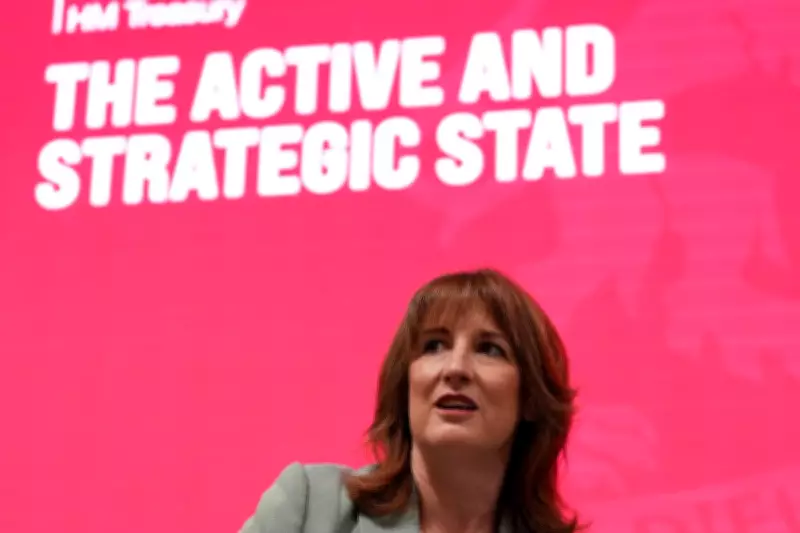
Chancellor Rachel Reeves responded to the forecasts while arriving in Washington, urging international partners to "follow my plan" for reducing costs for both households and businesses. She emphasized the need for coordinated economic action to mitigate global market risks and advocated for enhanced energy security through accelerated renewable energy projects.
"The war in Iran is not our war, but it will come at a cost to the UK," Reeves stated. "These are not costs I wanted, but they are costs we will have to respond to. I have vowed that my economic approach to this crisis will be both responsive to a changing world and responsible in the national interest."
Shadow Chancellor Sir Mel Stride offered sharp criticism, asserting that Reeves has "no one to blame but herself" for the economic downgrade. He accused the Chancellor of implementing policies that have driven inflation higher, increased unemployment, and placed excessive burdens on businesses through tax increases and regulatory measures.
Broader Economic Context
The Euro area continues to trail other regions in growth performance, with Germany projected to expand by 0.8 percent and Italy forecast to grow by 0.5 percent. These economic projections are contingent upon the assumption that the Middle Eastern conflict remains relatively short-lived. In a prolonged engagement scenario, energy prices could escalate dramatically, with gas potentially tripling and oil prices possibly doubling from pre-conflict levels.
The IMF findings will intensify scrutiny of the Labour government's economic strategy, particularly as the Organisation for Economic Co-operation and Development has prepared similar forecasts suggesting the UK will experience the second-lowest growth rate and second-highest inflation level among G7 nations.
International financial institutions are urging governments to rebuild fiscal buffers, which for the UK could necessitate additional tax increases or unexpected spending reductions. While the energy transition to renewable sources has been described as a "medium-term" policy objective, the government continues to emphasize the urgency of achieving net zero targets as part of its response to energy price volatility exacerbated by geopolitical tensions.