IMF Chief Warns Iran War Will Permanently Scar Global Economy
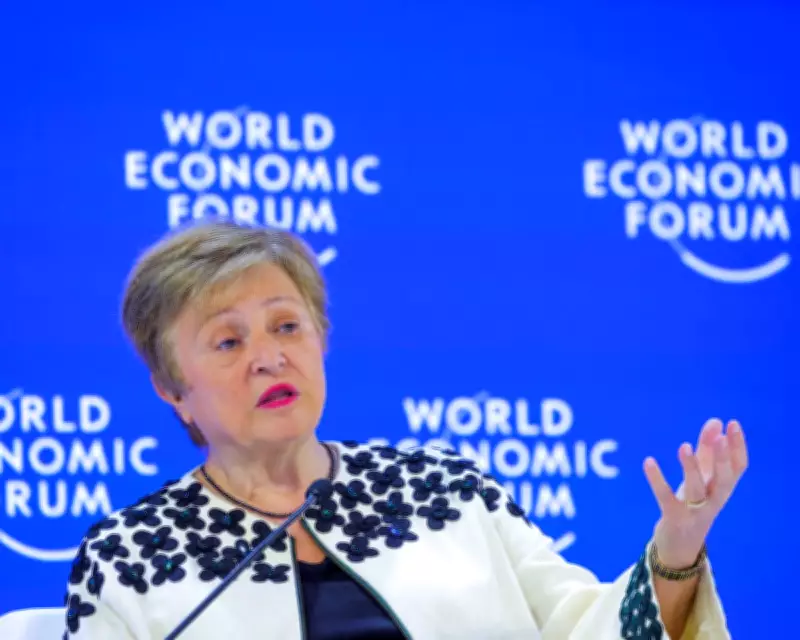
Kristalina Georgieva, the managing director of the International Monetary Fund, has issued a stark warning that the war involving Iran will leave lasting scars on the global economy, even if a durable peace agreement is achieved in the Middle East. In a speech delivered as a ceasefire threatened to unravel, Georgieva emphasized that the "scarring effects" from the conflict have already led to slower global growth than initially projected for this year.
Growth Downgrade and Economic Impact
Georgieva revealed that, had the conflict not erupted six weeks ago, the IMF would have upgraded its global growth outlook for 2026. However, she stated, "But now, even our most hopeful scenario involves a growth downgrade. Even in a best case, there will be no neat and clean return to the status quo." This underscores the profound and permanent hit to living standards anticipated in the IMF's upcoming World Economic Outlook report, set for release next Tuesday.
The global oil price surged on Thursday amid volatile financial market conditions, highlighting fears over continued disruptions to energy supplies through the Strait of Hormuz, a critical channel for fueling the world economy. Georgieva pointed out that infrastructure damage, supply chain interruptions, and loss of confidence are key factors driving these economic losses, regardless of potential peace deals.
Uncertainty and Regional Disruptions
In her speech, intended as a preview for the IMF's annual spring meetings in Washington, Georgieva highlighted heightened uncertainty over the depth of the global slowdown triggered by the war. She expressed concerns about shipping in and out of the Gulf and the recovery time for bombed-out oil and gas facilities across the region. "The fact is, we don't truly know what the future holds for transits through the Strait of Hormuz or, for that matter, for the recovery of regional air traffic," she said. "What we do know is that growth will be slower – even if the new peace is durable."
Disproportionate Effects on Vulnerable Nations
Georgieva noted that net oil-importing countries, poorer nations, and small-island states will be hit particularly hard by the economic fallout. She urged governments worldwide to avoid "go-it-alone actions" such as export and price controls, warning that such measures could exacerbate global conditions. "That can further upset global conditions: don't pour gasoline on the fire," she cautioned.
With many countries entering this crisis with elevated debt levels and higher borrowing costs, the IMF chief recommended targeted and temporary support for the most vulnerable households. She advised against costly, blanket tax cuts or energy subsidies, which could risk stoking inflation and undermining fragile public finances. Central banks were urged to tread carefully by maintaining interest rates but remaining ready to act against inflation.
Broader Economic Warnings
Georgieva's comments align with concerns from other global financial leaders. Andrew Bailey, governor of the Bank of England and chair of the Financial Stability Board, described the war as a "very big shock" to the global economy. Speaking to the EU parliament's committee on economic and monetary affairs, Bailey emphasized the ongoing risks due to volatile conditions in the Middle East, noting increased market volatility and the need for vigilance.
In summary, the IMF's assessment paints a grim picture of long-term economic damage from the Iran war, with growth downgrades and permanent impacts on living standards looming large, even in optimistic scenarios for peace.