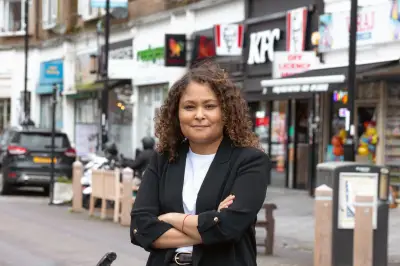
In a recent statement, Reserve Bank of Australia Governor Michele Bullock pinpointed housing, durable goods, and market services as the critical factors behind the recent uptick in inflation. This analysis comes as policymakers grapple with unexpected consumer spending patterns that have influenced monetary policy decisions.
Unexpected Consumer Spending Patterns
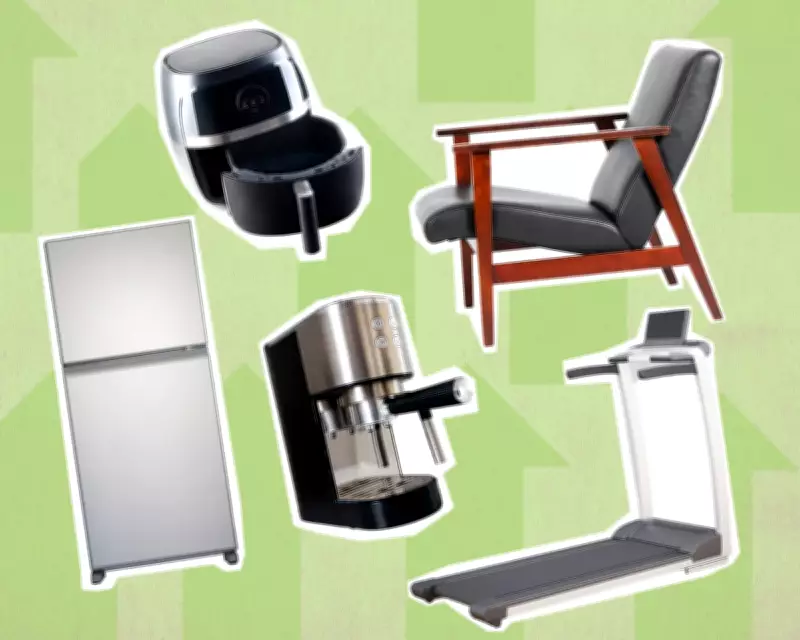
Many Australians, upon receiving tax refunds or benefiting from lower mortgage rates last year, immediately invested in durable goods such as armchairs, air fryers, and coffee machines. This surge in purchases followed a prolonged period of high living costs and weak consumption, catching policymakers off guard as they had underestimated households' financial capacity.
Impact on Interest Rates
The increased demand for these goods, coupled with rising prices, played a significant role in the RBA's decision to raise interest rates. Governor Bullock emphasized that this broadening of inflation necessitated a policy response to curb economic overheating.
Why Are Australians Buying Durable Goods?
Consumer durables, defined as items designed to last at least three years like fridges, TVs, and vehicles, saw a sudden acceleration in sales after a period of weak goods inflation. According to Shane Oliver, AMP's head of investment strategy and chief economist, this spending indicates that Australians regained confidence with slight financial relief, demonstrating a higher tolerance for debt than previously assumed.
Retail Performance Highlights
Company earnings reports underscore this trend. Breville experienced double-digit revenue growth in Australia, driven by robust coffee machine sales, with most purchases centered around mid-range models priced at approximately $700. Similarly, premium furniture retailer Nick Scali reported a 13% increase in sales revenue, while online retailer Temple & Webster saw a 20% revenue rise, albeit with customers often waiting for discounts.
Household Debt and Spending Attitudes
Despite Australia's historically high household debt levels, many consumers continue to make discretionary purchases. With strong employment rates, individuals appear willing to spend even as housing costs push them beyond traditional stress thresholds, where more than 30% of pre-tax income goes toward mortgage or rent payments.
Demographic Spending Trends
Ashwin Clarke, a senior economist at the Commonwealth Bank, notes that easing inflation and interest rate cuts have provided respite, leading to increased spending on household goods. CBA's data reveals a 0.5% rise in household spending in January, marking 16 consecutive months of growth, with notable expenditures on tickets, travel, fitness, clothing, and hardware. Retail expert Gary Mortimer from Queensland University of Technology adds that those aged over 55 are the primary buyers of durable goods, engaging in activities like updating TV sets, traveling, and upgrading cars.
Economic Implications and Future Outlook
When the RBA recently lifted the cash rate, ending its shortest rate cut cycle in three decades, it cited housing and consumer durables as key drivers of underlying inflation resurgence. The bank also highlighted supply constraints that limit the economy's ability to meet demand, leading to higher prices. While consumer durables currently contribute modestly to the Consumer Price Index, they serve as a "canary in the coal mine" for potential permanent inflationary pressures.
Uncertainty Ahead
The RBA anticipates a slowdown in demand for housing and durable goods to help reduce inflation but warns this outlook is "highly uncertain." Recent market reactions, such as Nick Scali's shares plunging over 15% due to weaker-than-expected January sales, suggest that buying enthusiasm may be waning as cost-of-living pressures reemerge. The question remains whether rising inflation will dampen consumer sentiment or if Australians will persist in purchasing items like couches and coffee machines.