Fuel Crisis Disrupts Australian Lives: From Cancelled Travel to Business Struggles
As the fuel crisis intensifies across Australia, surging petrol prices and shortages are forcing citizens to make significant changes to their daily routines and long-term plans. With global oil markets in turmoil due to geopolitical conflicts, hundreds of service stations have run dry, leaving many Australians grappling with the repercussions.
Businesses and Communities Bear the Brunt
In rural New South Wales, Graham, a petrol station worker, faces daily frustrations from locals and tourists who accuse him of profiteering due to fuel restrictions. "We're worn out," he says, noting that limits have been reduced to $30 with no jerry cans allowed, aimed at preserving fuel for emergencies like SES services. "It's a real kick in the teeth for rural communities," he adds, highlighting the uncertainty over future deliveries.
Jim, a tour operator in Bondi, NSW, reports an extra $200 weekly in fuel costs, crippling his business that relies on diesel. He criticizes the government for failing to address the root causes of the crisis, pointing to international conflicts disrupting shipping routes.
Personal Lives and Relationships Strained
Many Australians are cutting back on driving to cope with the crisis. Joyce from Darwin has adopted a frugal approach, working from home, using bikes instead of cars, and walking her dog locally. "I'm concerned about the Australian government supporting Trump and dragging us into World War 3," she shares, reflecting broader anxieties.
Grace, a 26-year-old in a long-distance relationship, fears reducing visits to her partner in regional NSW due to fuel costs. "I am concerned about the length of the conflict... and the fact that petrol prices may not come down even if the conflict de-escalates," she explains, underscoring the emotional toll.
Regional Australians Face Unique Challenges
For those in remote areas, driving is non-negotiable. Peter, a retiree in Herberton, Queensland, drives 40-50 kilometers daily for community engagement and medical trips to Cairns. "Living on an age pension means the price increase in diesel has a dramatic effect on my living expenses," he says, noting that transportation costs inflate all purchases.
Laura from the Mornington Peninsula, Victoria, emphasizes the lack of public transport options, forcing her to continue using her car despite high costs. She calls on the government to prioritize Australians, feeling neglected since 2023.
Healthcare and Support Services Under Pressure
Kate Mitchell, a support worker in Lismore, NSW, travels up to 200km daily for clients without reimbursement. "Fuel here (98) is $2.55 per litre," she notes, cutting back on personal travel to save money. Similarly, Fiona Moore, a disability support pension recipient, reduces her food budget to afford fuel for hospital visits to her mother.
Events and Travel Plans Postponed
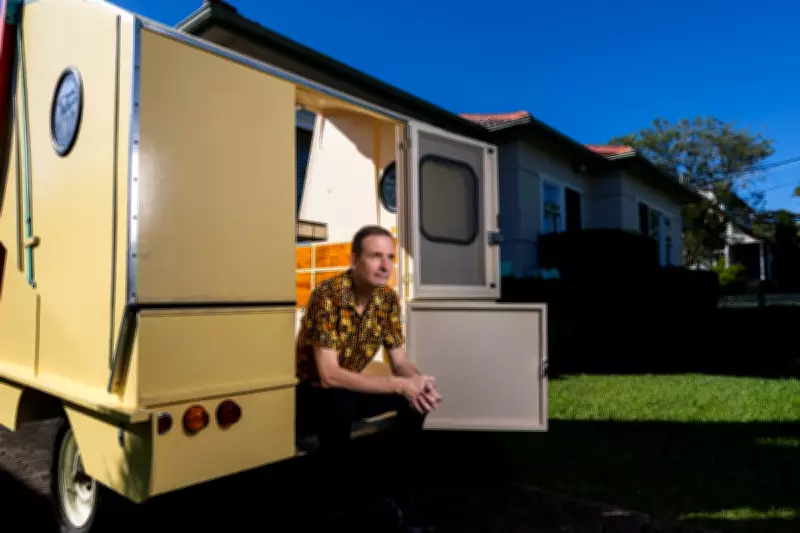
The crisis has led to the delay of major events, such as the Vintage Caravan Nationals 2026, co-organized by Glenn Watson. Originally scheduled for April, it has been moved to September due to fuel shortages stranding participants. "This is the first time a non-Covid issue has affected us since we started in 2012," Watson remarks.
Charlie from Tasmania expresses uncertainty about a planned 7,500km caravan trip in 2026, questioning fuel availability. "Not sure if we will be able to get fuel," he says, highlighting how future plans are now in jeopardy.
Electric Vehicle Owners Reap Benefits
In contrast, electric vehicle (EV) owners report minimal impact. Tom from Perth commutes by ebike and sold his car post-Covid for health and budget reasons. "I hope this crisis leads to permanent positive changes," he says, advocating for improved public transport and cycling infrastructure.
David from the Sunshine Coast, Queensland, charges his EV with solar power, feeling smug amidst fuel queues. When asked about concerns, he jokes, "That I may run out of smugness."
Conclusion: A Nation at a Crossroads
The fuel crisis is exposing deep vulnerabilities in Australia's reliance on fossil fuels, affecting everything from personal relationships to economic stability. As citizens adapt with reduced driving and altered plans, the push for sustainable alternatives like EVs gains momentum, pointing to a potential shift in how Australians approach transportation and energy in the future.