Wednesday 06 May 2026 5:48 am | Updated: Tuesday 05 May 2026 5:58 pm
Supermarket inflation: Falling oil prices help keep costs down at the till
By Simon Hunt, Felix Armstrong and Maisie Grice
Thank goodness for the price of oil. No, not Brent crude – the stuff that has sent costs at the pump up sharply since the outbreak of war in Iran – but cooking oil. A 500ml bottle of rapeseed oil fell by an average of 14 per cent between April and May across three supermarkets surveyed by City AM.
The drop, along with that of a couple of other cupboard staples like a can of chickpeas, has helped keep shop price inflation at around zero over the past month, data collected by City AM reporters has found, in signs that an expected surge in costs facing shoppers has yet to materialise.
The three of us each spent an hour traipsing around a London supermarket – a Tesco, a Sainsbury’s and a Waitrose – at the beginning of April to gather data on a sample basket of more than 60 goods. We looked out for the kind of items we thought a City AM reader might buy: stuff only a well-heeled, well-educated shopper with refined tastes would fancy. Think smoked salmon slices, Moet champagne, Dorset muesli and Lavazza ground coffee, with some choice fruit, veg and dairy products thrown in for good measure. We went back at the beginning of May to check for price changes. It’s far from a scientific survey of the kind the Bank of England might use for its own inflation data, but the hope is it offers an early insight into how prices are changing.
Mixed bag
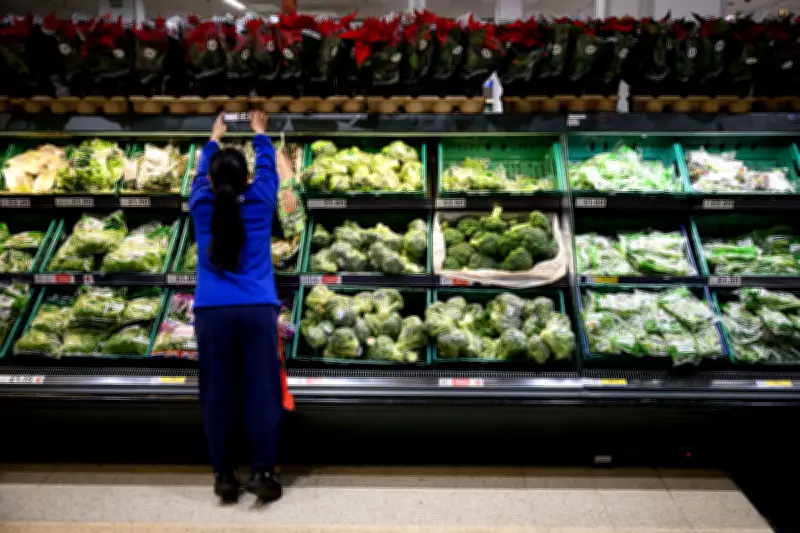
And they are changing. The price of a tin of chopped tomatoes, for instance, was up by an average of 12.6 per cent across the three stores, while tenderstem broccoli was up by an average of 15.3 per cent and Dorset muesli rose 4.2 per cent. Other things, by contrast, had fallen. Tesco cut the price of Jason’s sourdough bread by 12 per cent, Sainsbury’s reduced a bar of Lindt chocolate by 6.7 per cent and Waitrose slashed the price of a bottle of Trivento Reserve malbec by 13.5 per cent.
The rate of shop price changes varied massively between the three stores. From our sample shopping list, Sainsbury’s – whose boss Simon Roberts has said food inflation won’t hit consumers till the summer – changed the price of only 8 goods over the course of the month, while busy-bee Waitrose changed nearly 40 of them (18 were up but 20 were down). The net effect of all this price tinkering was virtually zero: Average prices at Tesco were up 0.1 per cent, while Sainsbury’s was down 0.2 per cent and Waitrose down 0.4 per cent.
So no big shocks at the checkout just yet. But this could be the calm before the storm.