Bank of England Maintains Interest Rates Amid Rising Inflation Concerns
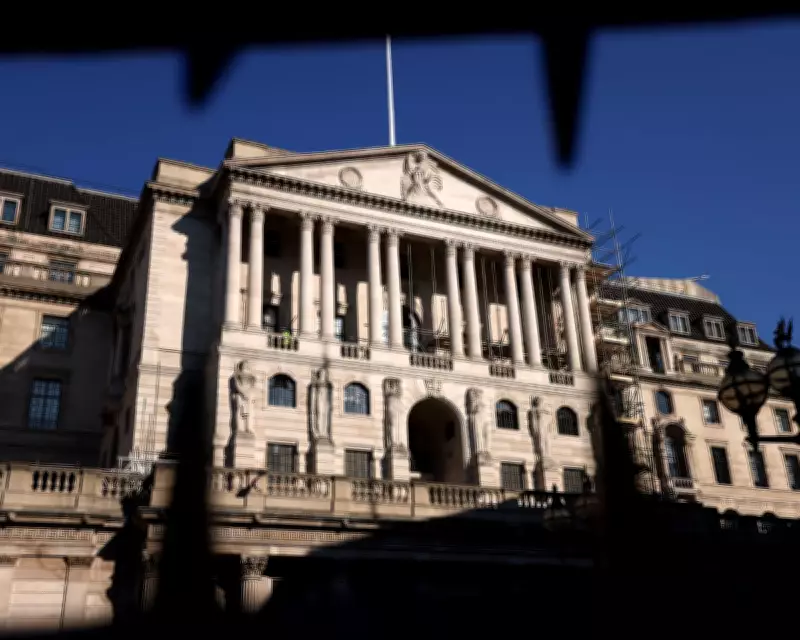
The Bank of England has decided to hold interest rates steady at 3.75%, citing significant concerns that inflation could escalate due to the ongoing conflict involving Iran. This decision comes as the central bank delivers a sobering assessment of the UK's economic outlook, with the war already driving up oil prices and threatening to reverse recent progress on inflation.
Economic Impact of Middle East Conflict
The US-Israel military actions against Iran have already resulted in higher prices across multiple sectors, not just at petrol stations. The Bank of England revealed on Thursday that inflation, which was previously on track to fall from 3% to the target 2% in coming months, is now expected to rise to approximately 3.5% as a direct consequence of the Middle Eastern conflict.
Higher transportation and energy costs are likely to flow through to increased food prices, potentially pushing the consumer prices index upward when previous indicators suggested a downward trajectory. This development represents unwelcome news for households that believed the prolonged period of high inflation had finally ended.
Business and Government Implications
Businesses of all sizes are now reconsidering their investment decisions and hiring plans in response to the changing economic landscape. For the government, another potential increase in the cost of living creates additional challenges heading into already difficult local elections.
The monetary policy committee's unanimous decision to maintain rates at 3.75% signals what analysts describe as a moderately panicked atmosphere within Threadneedle Street. While the MPC avoided making specific predictions, their cautious approach reflects the complex economic environment.
Diverging Views Within the MPC
Committee member Alan Taylor characterized the rate pause as merely "a moment of contemplation," having previously warned against raising interest rates to address externally induced price shocks. However, his perspective appears somewhat isolated within the committee.
Swati Dhingra, who like Taylor has consistently supported lower interest rates due to the weakening economic outlook, indicated she would be prepared to raise rates if the conflict continues and inflation becomes more deeply embedded in the economy.
Balancing Conflicting Economic Pressures
Bank officials are carefully weighing multiple competing factors. On one hand, they must consider how much workers might demand in higher wages to compensate for rising inflation when unemployment remains elevated and hiring is sluggish. Simultaneously, businesses may attempt to recover increased costs through higher prices, particularly in sectors where competition has diminished or consumers appear resigned to another inflation spike.
Conversely, increased household sensitivity to another bout of inflation—which would further erode living standards—could trigger widespread demands for higher wages across both public and private sectors.
Market Expectations and Future Outlook
Like other major central banks, the Bank of England recognizes that either trend could dominate and prefers to adopt a watch-and-wait approach. The fundamental reality of the conflict—that Iran could potentially disrupt the Strait of Hormuz for months using minimal resources—means oil prices are likely to remain elevated through the summer.
This geopolitical reality suggests that interest rates, despite their potential to cause economic damage, will probably need to increase. Financial markets have already priced in this expectation, with traders now betting the Bank will implement a rate hike as early as June.
The Bank of England's cautious stance reflects the delicate balancing act facing policymakers as they navigate the complex interplay between geopolitical conflict, energy markets, and domestic economic stability.