
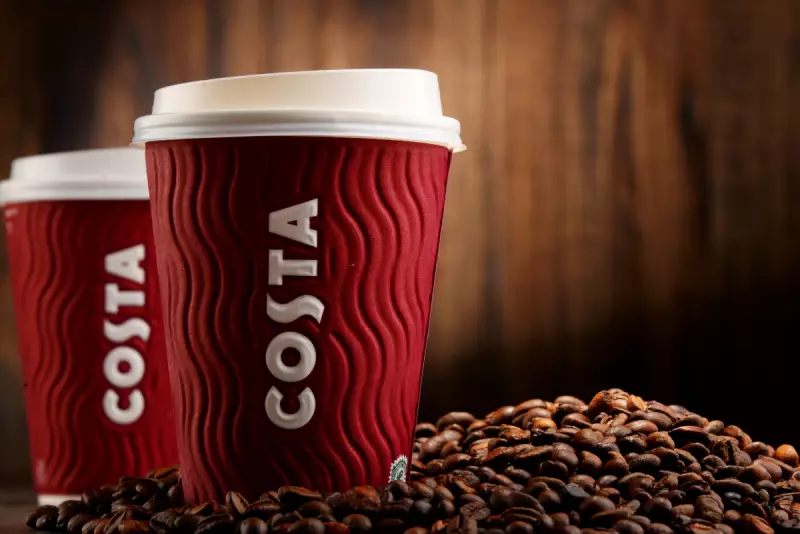
The once-unquestionable dominance of Costa Coffee on the British high street has hit a major roadblock. Its owner, the US beverage titan Coca-Cola, has suspended all talks to sell the chain after potential buyers failed to meet its financial expectations, bringing a months-long auction process to an abrupt halt.
Auction Goes Cold as Bids Fail to Impress
According to sources familiar with the situation, Coca-Cola called off negotiations earlier this week, blaming the decision on offers that were deemed too low. The company had reportedly been seeking around £2 billion for the chain, a figure that represents just half of the £4 billion it paid to acquire Costa from Whitbread back in 2018.
The final rounds of bidding involved a select group of investment firms. These included TDR Capital, the owner of Asda, and the special situations fund of Bain Capital, which also controls Gail's Bakery and Pizza Express. Earlier in the process, other heavyweight private equity players like Apollo Global Management (owner of Wagamama), KKR, and China's Centurium Capital, which owns Luckin Coffee, had also shown interest.
Mounting Losses and a Squeezed Middle
The stalled sale comes at a difficult time for Costa's financial performance. Despite operating a vast network of 2,700 branches across the UK and Ireland, the company's losses deepened significantly in its latest accounts. In 2024, losses widened to nearly £13.5 million, a stark 132% increase from the £5.8 million loss recorded the previous year.
Analysts point to a perfect storm of challenges. Costa finds itself trapped in a 'squeezed middle' within the competitive UK coffee market. It is losing discerning customers to premium rivals like Gail's and Blank Street Coffee, while simultaneously haemorrhaging cost-conscious consumers to value-led alternatives such as Greggs.
Dan Coatsworth, head of markets at AJ Bell, summarised the predicament: "We’re in an era where companies are focusing on what they do best, and for Coca-Cola that means fizzy drinks rather than lattes." He added that customers have become more wary of spending on casual items like coffee, driving trade towards cheaper chains or independent shops.
Broader Market Pressures and Internal Challenges
The struggles are not unique to Costa but are indicative of wider sector headwinds. UK coffee shops are grappling with soaring costs on multiple fronts:
- Increased prices for coffee beans due to extreme weather in key producing nations.
- Higher global shipping expenses.
- Rising staffing costs following increases to the national minimum wage and employers' National Insurance.
Internally, the sale setback coincides with a leadership transition at Coca-Cola, where Henrique Braun is preparing to replace James Quincey as chief executive. Quincey had previously admitted that Costa had "not delivered" for the business. Furthermore, Costa's Express vending machine business wrote down the value of its assets by £51 million last year after discontinuing certain prototypes.
With the formal sale process now on ice, Coca-Cola faces a strategic dilemma. It must either reignite interest with a lower price expectation or commit to a significant turnaround plan for the cooling coffee brand it once bought with such high hopes.




