Scotland's ambitious plan to launch its first-ever £1.5bn quasi-sovereign bond programme, dubbed "kilts", is facing intense scrutiny from financial experts who question both its timing and economic rationale.
The Political Gambit Behind Scotland's Bond Plans
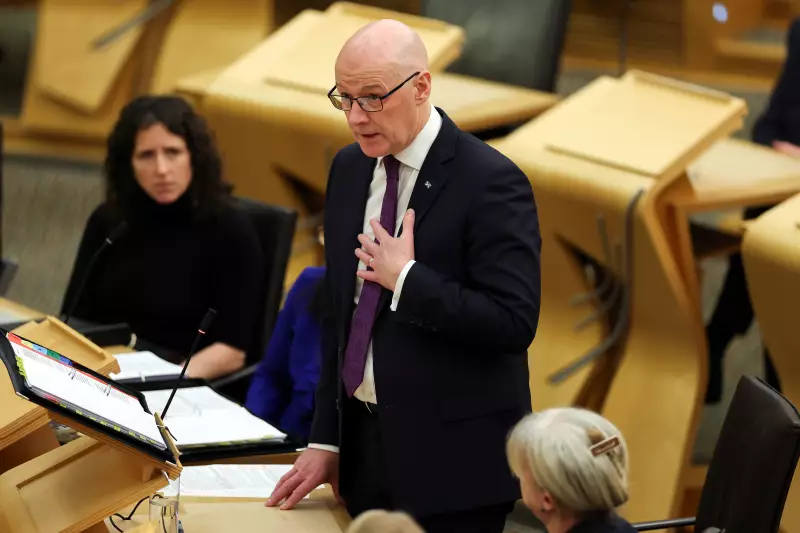
First Minister John Swinney has positioned the bond issuance as a strategic move toward financial independence and credibility building. However, critics argue the initiative represents more of a political statement than prudent fiscal management.
The Scottish National Party's proposal comes despite Scotland's challenging fiscal position. Scotland's deficit currently exceeds 11% of GDP, more than three times higher than the wider UK's deficit figure. This substantial gap between public spending and revenue generation has historically required support from Westminster to balance the books.
Market Realities and Investor Concerns
While credit rating agencies have assigned Scotland an AA/Aa3 rating - matching the UK's sovereign rating - analysts caution that this assessment leans heavily on Scotland's integration within the UK's broader fiscal framework. The stability provided by Westminster's tax base and debt management infrastructure underpins these ratings.
Bond market specialists highlight several concerns with Scotland's standalone bond issuance:
- Higher borrowing costs compared to existing National Loans Fund arrangements
- Lack of liquidity and established track record versus UK gilts
- Persistent political uncertainty surrounding independence
- Questionable revenue streams and economic growth prospects
Moody's has explicitly warned that independence risk could "exert downward pressure" on Scotland's credit rating, suggesting that constitutional debates could directly impact borrowing costs.
Economic Fundamentals Versus Political Ambition
Scotland's economic growth remains modest at approximately 1%, raising questions about the nation's ability to service additional debt during leaner economic periods. The Scottish government plans to direct bond proceeds toward housing and net zero initiatives, though investors may prioritise debt repayment capacity over environmental targets.
Financial experts question the necessity of Scotland entering bond markets independently when cheaper borrowing options exist through existing UK mechanisms. The current arrangement allows Scotland to borrow at only a modest premium over UK government gilts, making the kilt bond initiative appear potentially more expensive and symbolic than financially sensible.
The fundamental challenge remains Scotland's fiscal position, where public spending consistently outpaces revenue generation. Until this structural issue is addressed, markets may view standalone bond issuance as premature and politically motivated rather than economically justified.
As Tim Focas, head of capital markets at Aspectus Group, concludes: "Credibility comes before sovereignty, not the other way around. Investors reward strong fundamentals and predictable governance, not political presentation."