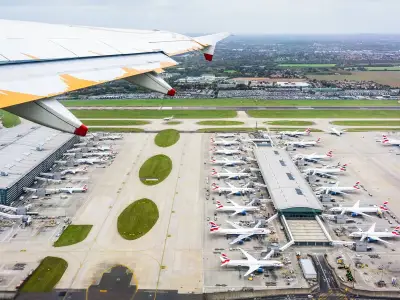
A Virgin Atlantic flight bound for London Heathrow declared a mid-air emergency while entering British airspace, following reports of a serious medical situation involving a passenger on board. The incident occurred aboard an Airbus A350-1000 aircraft, which was operating a transatlantic route from Los Angeles International Airport.
Emergency Declaration and Rapid Response
The crew transmitted a Squawk 7700, the internationally recognized code for a general emergency, while cruising at an altitude of 39,000 feet. This alert was issued due to the developing medical crisis, which required immediate attention and intervention. Air traffic control was promptly notified, and the pilots were granted priority landing status at London Heathrow Airport.
Following the declaration, the aircraft initiated a swift descent towards its destination. Emergency services and ground crews were placed on standby in anticipation of the arrival, ensuring a coordinated response upon touchdown. The flight, which had departed Los Angeles at 3:41 PM local time on Monday, landed at Heathrow at 10:06 AM on Tuesday, approximately ten minutes ahead of its scheduled arrival time.

Airline Operations and Context
Virgin Atlantic, as Britain's second-largest airline, operates extensive transatlantic routes from London Heathrow to destinations including New York, Orlando, the Caribbean, Delhi, and Johannesburg. The carrier is headquartered in Crawley, West Sussex, located near Gatwick Airport. At the time of reporting, Virgin Atlantic had not released an official statement regarding the specific details of the in-flight medical incident.
Recent Similar Incidents in Aviation
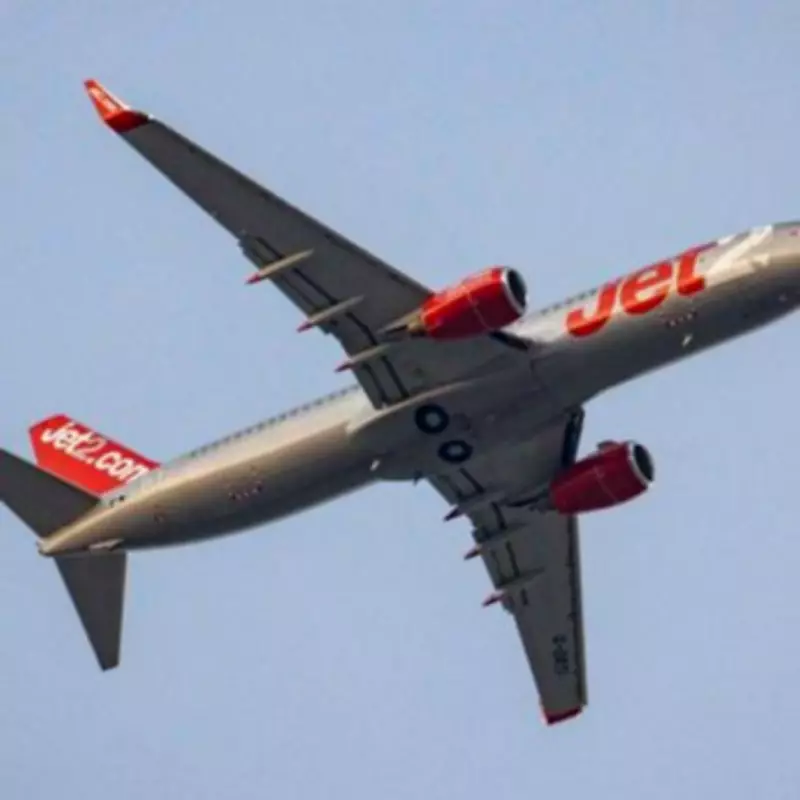
This event follows another recent emergency involving a Jet2 flight from London Stansted to Tenerife South. On that occasion, the crew declared an emergency after an infant on board experienced breathing difficulties. Spanish air traffic controllers coordinated a priority landing, with the aircraft touching down nine minutes early. Medical assistance was arranged on the ground, though it remained unclear whether the baby required hospital transport after arrival.
The aviation industry maintains robust protocols for handling medical emergencies during flights, including the use of emergency codes like Squawk 7700 to expedite assistance and ensure passenger safety. Such incidents highlight the importance of rapid coordination between flight crews, air traffic control, and ground emergency services to manage critical situations effectively.