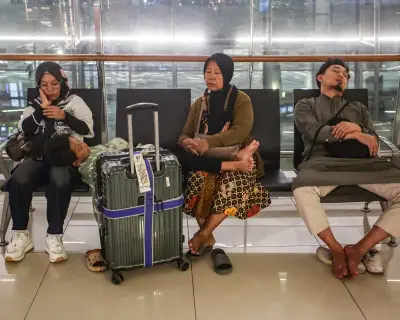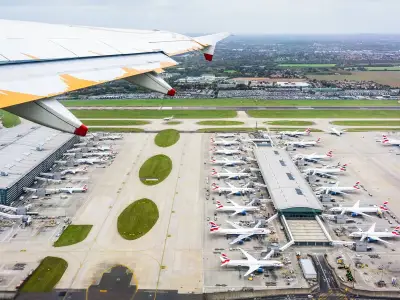
The government is scrambling to secure UK airlines' emergency access to jet fuel as global shipments fall to their lowest level on record, threatening widespread flight cancellations and disrupting summer holiday plans.
Record Low Shipments
Global shipments of jet fuel and kerosene dropped to under 2.3 million tonnes last week, the lowest since records began in 2017, according to analysts at Kpler. The blockage at the Strait of Hormuz is suffocating supply to airlines worldwide.
Earlier this month, major UK carriers warned they have only five or six weeks of fuel reserves left. Prime Minister Keir Starmer acknowledged that summer holidays could be affected, telling Sky News: "I can see that, if there's more impact, people might change their habits... where they go on holiday this year, what they're buying in the supermarket."

Darren Jones, chief secretary to the prime minister, said on Sunday that Brits could face higher flight prices for up to eight months due to the Iran war.
Airlines Respond
FTSE 100-listed IAG, owner of British Airways, announced it will hike prices to "reflect higher fuel costs." However, budget carrier Jet2 has refused to impose surcharges. CEO Steve Heapy stated holidaymakers "have every right" to enjoy their holidays without extra costs, though the firm noted that fears of disruption are driving last-minute bookings.
Government Intervention
Ministers are poised to allow UK airlines to use "Jet A" fuel, currently used only by US carriers, instead of the standard "Jet A-1" fuel. Both fuels have similar specifications except for freezing point and can be used interchangeably in any jet aircraft. The relaxation of rules, first reported by the i Paper, is expected to be announced later this week.
Short sellers have targeted London-listed airline stocks amid the chaos. Wizz Air cut profit guidance by around €50 million since the conflict began, forecasting a €25 million loss. EasyJet's shares slumped after it projected a loss of up to £560 million, with a single fuel purchase adding £25 million to costs.
Analysts say the crisis comes at the worst time for airlines, which want to maintain consumer confidence ahead of the summer holiday season. Gerald Khoo of Panmure Liberum noted that airlines are "reluctant" to cut flight capacity, hoping for a quick resolution to the Iran crisis.
Current rules require airlines to operate airport slots at least 80% of the time to retain usage rights, but the government has indicated it may soften these rules. Khoo warned that if flight capacity falls, governments might dictate which flights are cancelled, potentially disadvantaging smaller airlines. "We suspect that major hub airports and their national flag carrier residents would be likely to be prioritised," he said.