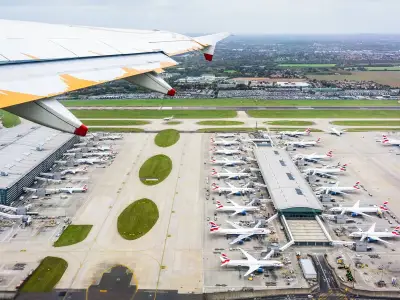
Heathrow Airport stands amongst the world's busiest, with connections generally running pretty smoothly. Yet there was a period when the airport's engineers were managing what has been labelled 'the worst civil engineering disaster in the UK in the last quarter century.'
The 1994 Collapse
In 1994, while constructing the Heathrow Express, which links the airport to Paddington, a catastrophic tunnel collapse unfolded over three days, almost jeopardising the Underground's Piccadilly line. The incident nearly proved disastrous for the Jubilee line extension too, which redirected trains from Charing Cross to Westminster, across to London Bridge and the Docklands, before proceeding to Stratford, employing a similar tunnelling method beneath London and the Thames.
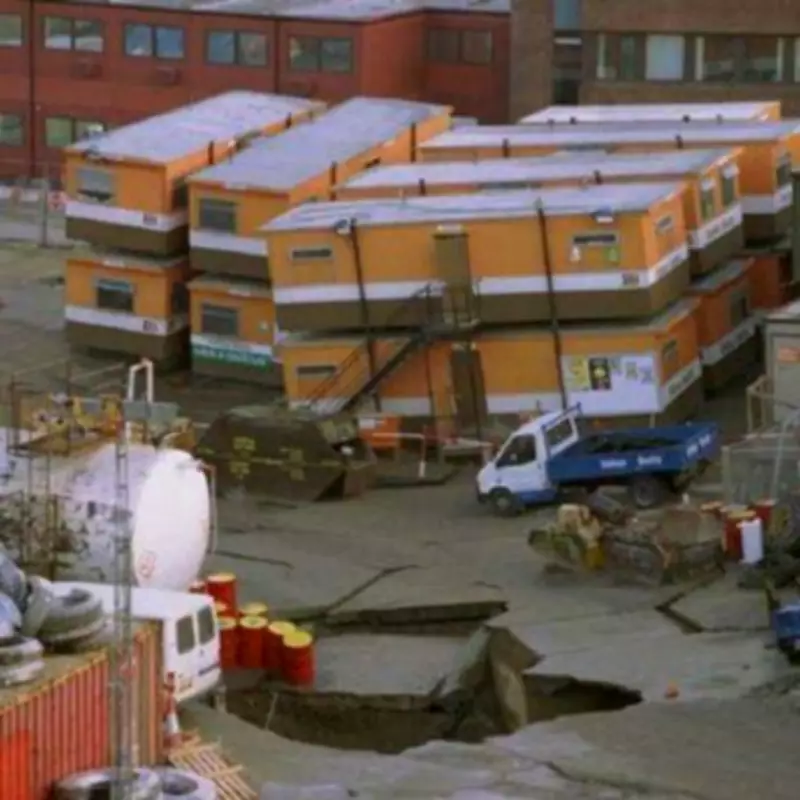
A year ahead, the Heathrow Express project was in its initial phases. The principal challenge involved tunnelling beneath West London and electrifying the track extending from Paddington. The project necessitated boring two tunnels, each spanning roughly five miles, underneath the airport and its vicinity to establish a route to the Heathrow Central and Terminal 4 stations. However, disaster struck during the early hours of Friday, October 21, when the first of these tunnels gave way. Over the following three days, a succession of tunnel failures resulted in sinkholes and structural collapses.

Risk to the Piccadilly Line
The Piccadilly line tunnels serving the airport also faced significant risk due to the cave-ins. The Old Bailey subsequently heard that the collapse could have 'unzipped' the Piccadilly line, potentially killing passengers. To prevent such a disaster, an emergency concrete plug was put in place, narrowly averting catastrophe by merely 20 metres.
The airport descended into turmoil for several days as the ground underneath gave way, forming an enormous crater between its two runways. Astonishingly, despite the scale of the collapses, nobody lost their life. Construction workers inside the tunnels had only seconds to flee before the first collapse took place.
Aftermath and Costs
The incident had substantial consequences, resulting in contractors Balfour Beatty and their designer Geoconsult receiving combined fines totalling £1.7 million, representing the largest health and safety penalty at that time. Nevertheless, before any penalties could be imposed, the damaged tunnels required restoration, costing approximately £150 million – almost three times the initial project's budget.
Cause of the Collapse
The building method employed for the airport's tunnels utilised the sprayed concrete lining technique, whereby liquid concrete is rapidly applied to the walls of freshly dug tunnels to deliver instant stabilisation. This technique remains in operation today on schemes including Crossrail and the Northern line extension, and is internationally recognised as a tunnelling method. Yet the project managers came under fierce criticism from the Health and Safety Executive. The court was told that managers prioritised results over health and safety concerns, which contributed to the collapses. Balfour Beatty admitted failing to ensure the safety of its workforce and the public.
Work was halted for a year, though following assessments, it resumed and was finished by 1998. Services commenced that same year, reducing journey time to merely 15 minutes.