Spain is doubling down on efforts to diversify its tourism appeal beyond the traditional sun-and-beach model, as the country prepares for a potential record-breaking year with foreign visitors possibly reaching 100 million for the first time, according to Tourism Minister Jordi Hereu.
In an exclusive interview, Hereu dismissed concerns that Spain is saturated with tourists but acknowledged that old strategies no longer work, especially amid growing worries about overtourism and climate change. He emphasized that steady growth, which could be further boosted by geopolitical uncertainty in the Middle East, can be managed sustainably.
Record Numbers and Economic Impact
Last year, foreign tourist arrivals rose by 3.2% to 96.8 million, while spending increased by 6.8% to €134 billion. First-quarter data for this year shows a 3.4% rise in tourist numbers and a 6.7% increase in revenue. Hereu noted that if growth continues, Spain could hit 100 million visitors, but he stressed that this does not worry the government. “I’d like to point out that that doesn’t worry us or obsess us … [We favour] what I call calm growth – in other words, growth that can be easily managed,” he said.
Tourism accounts for over 12% of Spain’s GDP, but rapid expansion has sparked protests in many areas. Overtourism, particularly the proliferation of short-term rentals, has altered neighborhoods, priced out locals, and strained public services.
Regulation and Political Divide
Hereu, a former mayor of Barcelona, praised his successor Jaume Collboni for banning tourist flats in the Catalan capital by 2028. However, he noted that Spain’s decentralized system limits central government’s ability to enforce changes locally. He contrasted left-wing and right-wing approaches: “The left is more in favour of regulating tourism than the right, because the right holds the view that we should allow freedom because the market will self-regulate, which isn’t true.”
Hereu believes anti-tourism sentiment is a minority view but acknowledges a growing demand for a better tourism model. “Our key principle is that we’re in favour of transforming the model to keep ahead … because the old formulas no longer work,” he said.
Decentralisation and Diversification
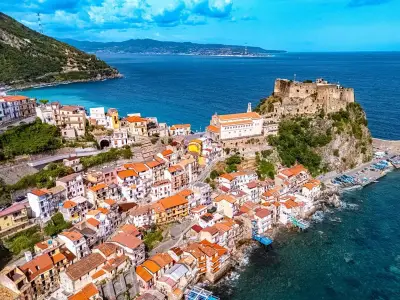
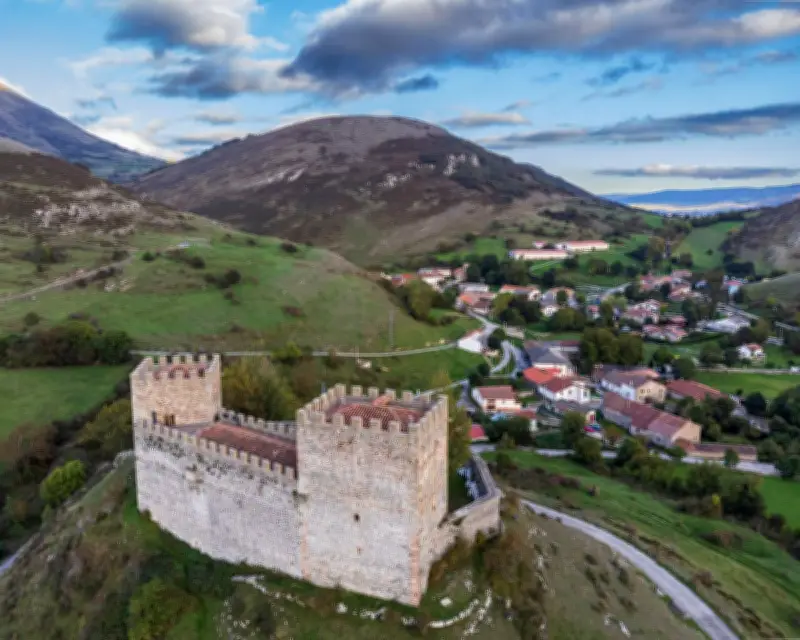
Spain’s strategy focuses on decentralising destinations over time, deseasonalising tourism, and diversifying offerings beyond sun and beach. The country’s current campaign, “Think You Know Spain? Think Again,” features inland and northern regions, including churches, green spaces, and even rain, rather than coastal scenes.
Hereu noted that low and mid-season tourism is growing faster than high season, and inland and green Spain are expanding more than traditional coastal areas. The government has invested €3.4 billion of EU funds to modernise the sector, helping less-visited regions like Castilla-La Mancha, Extremadura, Asturias, and Cantabria develop their tourist markets. “There’s a lot of potential there, and that’s where we need growth to happen,” he said, adding that the Mediterranean coast faces limits during peak season.
Climate Adaptation and Job Stability
The minister said the government is helping the industry adapt to climate change, including droughts, heatwaves, and floods, through renewable energy, efficient water use, and waste management. Lengthening the tourist season also provides more stable employment. “Before it was June, July, August and, at most, September. But now people open in April, May or June, and we have more stability,” Hereu explained. He added that salaries must rise to attract and retain workers, which brings social stability and profit redistribution.
Hereu concluded that sticking to the old model would be a mistake, as Spain is now growing more in spending value than in tourist numbers. “We’d have the opposite of what we have now – we’d be growing the number of tourists rather than the spending value,” he said.