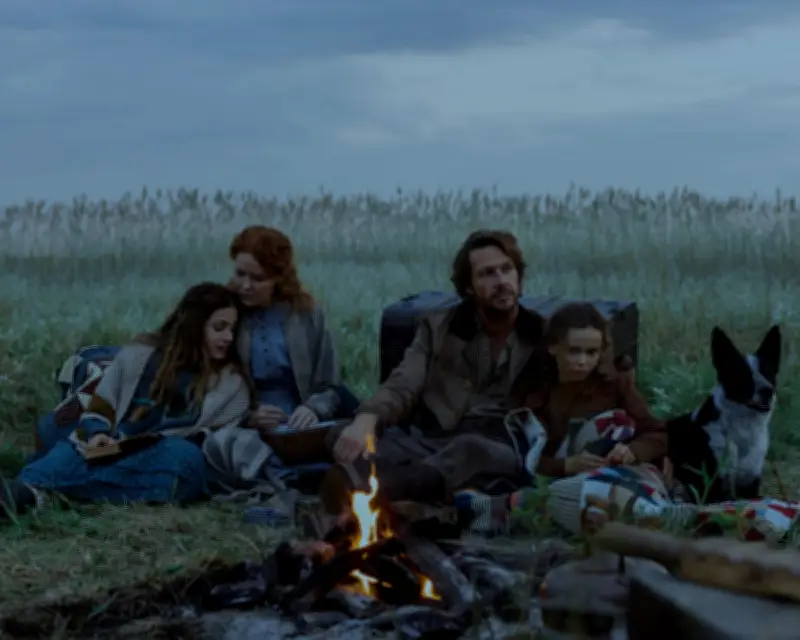
Netflix's reboot of Little House on the Prairie, premiering on 9 July, aims to capture a new generation while navigating the cultural and political currents of its time. The series, based on Laura Ingalls Wilder's semi-autobiographical novels, has always reflected the fears and hopes of its era — from the Great Depression-era books to the 1974 TV series that aired during a recession and oil crisis.
Enduring Appeal Across Generations
Luke Bracey, who plays Charles “Pa” Ingalls, attributes the show's lasting resonance to its core theme: “This is a family trying to get along in the world.” Co-star Crosby Fitzgerald, as Caroline “Ma” Ingalls, adds, “People grew up with it with their parents and their parents, and there’s a sense of familiarity that is cozy and heartwarming.”
The Little House books have sold over 73 million copies, and the original series reached 13 billion streaming minutes in 2024 alone, making it the year’s most streamed legacy show, according to Netflix data.
Why Now? Pandemic, Cottagecore, and Tradwives
The reboot arrives amid a strange confluence of trends. The original series surged in popularity during the Covid-19 pandemic, as families sought comfort in stories of survival and self-sufficiency. One writer described the first book, Little House in the Big Woods, as “a manual for self-sufficient isolation” during lockdown.
Modern phenomena like “cottagecore” — an online aesthetic romanticizing agrarian life — and the “tradwife” movement, which promotes domesticity and submissiveness, may have primed audiences for a frontier narrative. These trends, whether reactionary or escapist, help explain the reboot’s potential appeal.
Political Underpinnings and Culture War Scrutiny
The original books were shaped by Rose Wilder Lane, Laura’s daughter and a libertarian pioneer, who heavily edited the first novel to emphasize individual resilience and reject government assistance. This libertarian streak has long made the series a conservative favorite — Ronald Reagan reportedly loved the TV show.
When Netflix announced the reboot in January 2024, it immediately faced culture war backlash. Megyn Kelly tweeted, “Netflix, if you wokeify Little House on the Prairie I will make it my singular mission to absolutely ruin your project.” Melissa Gilbert, who played Laura in the original series, countered, “TV doesn’t get too much more ‘woke’ than we did. We tackled: racism, addiction, nativism, antisemitism, misogyny, rape, spousal abuse…” Bracey urged Kelly to watch the new series before judging, saying, “She hasn’t seen the show … watch the show.”
A More Faithful Adaptation with Osage Consultation
The new series, showrun by Rebecca Sonnenshine (The Boys), pulls more faithfully from the novels, focusing on the Ingalls family’s time on an Osage reservation in 1870s Kansas. Bracey noted, “The accuracy of the costumes and the storylines and the set decoration, I know a lot of intense and intricate detail and research went into making that possible. Julie O’Keefe came on as the Osage consultant and made sure that was handled with the care and respect that was needed.”
While the cast is more diverse than the original, some critics find the portrayal sanitized — everyone is “a little too beautiful, clean and cheery” — and note that representation may stand in for deeper substance. The reboot premieres on Netflix on 9 July.